
ACL surgery is often considered when there is a complete tear of the anterior cruciate ligament (ACL), especially in active individuals or those involved in sports. As an ACL tear clinic in Singapore, Auspicium Orthopaedic Centre assesses ACL injuries and, where appropriate, recommends ACL reconstruction surgery in Singapore to restore knee stability. This page provides a full overview of ACL reconstruction, including who may need surgery, what to expect before and after the procedure, possible complications, and cost considerations at an ACL tear clinic in Singapore.
An ACL tear refers to damage to the anterior cruciate ligament, one of the key ligaments that stabilises the knee joint. This ligament connects the thigh bone (femur) to the shin bone (tibia) and helps control forward movement and rotational stability of the knee. When it is torn, the knee may feel unstable, particularly during activities that involve turning, pivoting, or sudden stops.
ACL tears are commonly associated with sports such as football, basketball, and skiing, where rapid changes in direction or landing from a jump place stress on the knee. They may also occur from direct impact or awkward movements during everyday activities.
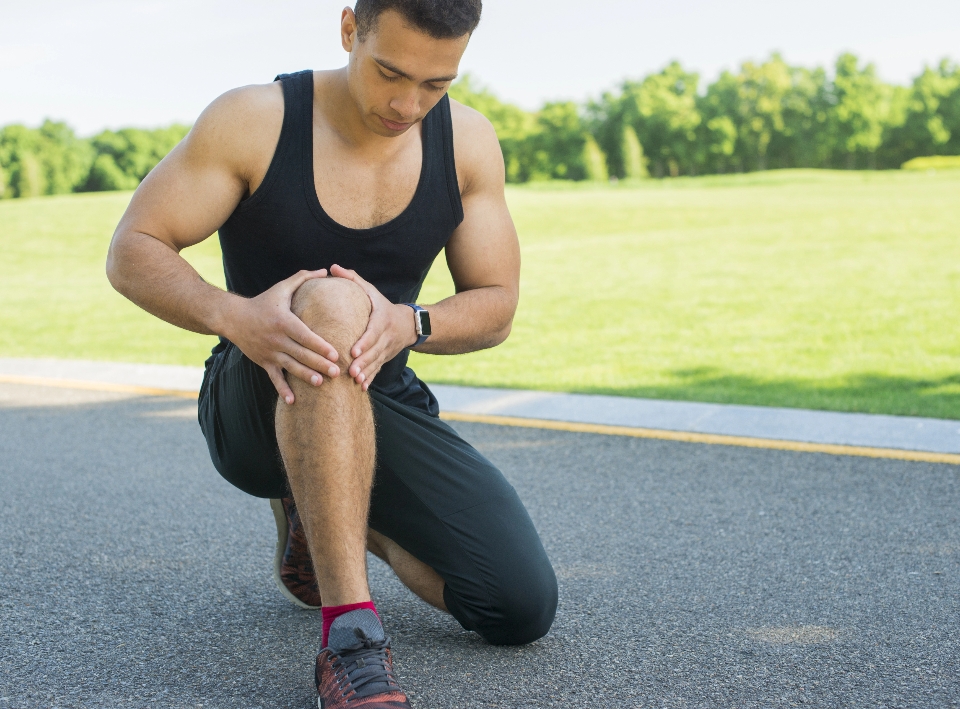
As a type of knee ligament injury, an ACL tear can vary in severity, from partial damage to a complete rupture. Symptoms often include a popping sensation at the time of injury, followed by swelling, discomfort, and difficulty bearing weight or continuing activity.
An early assessment at an ACL tear clinic can confirm whether the ligament is partially or completely torn and whether other structures, such as the meniscus, are also injured. This helps your doctor decide between structured rehabilitation and surgery.
An ACL tear often presents with a combination of sudden symptoms at the time of injury and ongoing issues that affect knee function. These symptoms can vary depending on the severity of the injury.
The knee may feel unstable or as if it is “giving way,” especially during activities that involve turning, pivoting, or weight-bearing movements. This can make it difficult to continue sports or even walk confidently.
Some individuals report hearing or feeling a “pop” at the moment the injury occurs. This is often one of the earliest signs associated with an ACL tear.
Swelling in the knee typically develops within a few hours after the injury. This may be due to bleeding within the joint and can lead to a feeling of tightness or pressure.
Pain may be present immediately after the injury and can worsen with movement, particularly when trying to bend, straighten, or put weight on the affected leg.
The knee may feel stiff or difficult to move fully. Bending or straightening the joint can be limited, especially in the presence of swelling and discomfort.
If these symptoms follow a knee injury, seeing a knee specialist early can help prevent repeated episodes of the knee giving way, which may damage the meniscus or cartilage over time.
An ACL tear usually occurs when the ligament is subjected to sudden stress that exceeds its normal range of movement. Understanding the causes of ligament tear helps explain how these injuries develop, particularly during sports, physical activity, or unexpected movements.
Diagnosing an ACL injury at our ACL tear clinic involves a combination of clinical assessment and imaging to confirm the extent of damage and identify any associated injuries within the knee joint. A structured evaluation helps guide appropriate management and treatment planning.
While X-rays do not show ligaments directly, they are useful in identifying fractures or other bone-related issues that may occur alongside an ACL injury.
Together, these findings help your doctor decide whether non-surgical care or ACL reconstruction surgery in Singapore is the more suitable option for your knee and your activity goals.
If you frequently experience episodes of the knee giving way or feeling unstable despite conservative treatments like physical therapy, it may suggest an ACL injury requiring surgical intervention.
Significant swelling should be managed and reduced through rest, ice, compression, and elevation (RICE) before surgery to improve surgical outcomes and reduce complications.
Before proceeding with ACL, it is crucial to assess whether there are other injuries, such as meniscus tears or ligament damage to ensure a more effective and comprehensive recovery process.
Severe pain that interferes with daily activities or persists despite conservative treatments might indicate the need for earlier surgical intervention.
Achieving a good range of motion and adequate muscle strength prior to surgery can lead to effective post-operative results and rehabilitation process.
In ACL reconstruction surgery, the damaged ligament is replaced using a graft from one of two sources:

This involves using a portion of the patient’s own tissue, such as the hamstring tendon, quadriceps tendon, patellar tendon, or iliotibial band. Autografts are commonly used for active patients, although some discomfort at the graft site can occur.

This involves using donor tissue from a human organ donor. Allografts avoid the need to harvest tissue from your own knee, which may suit some older or lower-demand patients, although the risk of graft failure can be higher in younger, active individuals.
The choice of graft depends on your individual needs, though allografts are generally not recommended for young patients due to a higher risk of reinjury and graft failure. The surgery is then performed using minimally invasive arthroscopic techniques. This involves the use of fibre optics, small incisions, and specialised instruments. That said, a slightly larger incision may also be necessary to obtain the tissue graft.
Preparing for ACL reconstruction surgery involves understanding the steps before and after the procedure to support a smooth recovery. An orthopaedic specialist will guide you through each stage, from preparation to post-surgical care and rehabilitation.
In children and adolescents, special care is taken if growth plates are still open. Improper technique could affect future bone development.
Rarely, the mechanism that allows the knee to straighten may become weak or disrupted, especially if certain graft types are used.
Reduced range of motion can occur if early rehabilitation is delayed or the joint is not moved regularly.
As with any surgery, infection is a risk. Proper wound care and early detection are important for managing this.
This section outlines what patients can expect immediately after surgery, including monitoring, pain management, wound care, and early recovery considerations to support their healing process.
After your operation, you will be taken to the recovery room, where nurses will closely monitor your blood pressure, breathing, and heart rate. Please inform the nurse if you experience any nausea or pain.
Experiencing some discomfort after surgery is normal. You will be given pain relief medication to help manage this and aid in your recovery.
Once the effects of anaesthesia wear off, it is important to stay hydrated and eat a balanced diet to support your recovery.
Your operated leg will be carefully bandaged and kept elevated to support healing. For pain and swelling reduction, an ice wrap will be applied to your knee for 24 to 72 hours. Throughout the first week, maintain elevation and use ice wraps as necessary. Additionally, a brace will be provided for knee protection. Keep in mind that adjustments or removal should be done with guidance from your surgeon or physiotherapist.
Initially, you will need to rest in bed and use a bedpan or urinal for elimination purposes.
Your surgeon and physiotherapist will discuss your rehabilitation plan, which may include gentle hip and knee bending exercises within your pain limits.

The process of recovery can vary based on factors such as the severity of the injury, the surgical method used, and the progress made during physical therapy. Here is a general timeline:
For individuals undergoing ACL reconstruction, adherence to physical therapy significantly influences recovery outcomes.
The cost of ACL reconstruction surgery in Singapore depends on the type of hospital and ward class, the graft used, surgeon and anaesthetist fees, and whether other procedures, such as a meniscus repair, are performed at the same time. The ranges below are estimates only, so please contact our clinic for a personalised quote.
| Setting | Estimated Range (SGD) |
|---|---|
Public Hospital (Subsidised) |
$1,200 – $4,000 |
Public Hospital (Private Class) |
$6,000 – $10,000 |
Private Hospital |
$13,000 – $18,000 |
Note: At public hospitals, wait times for surgery may be longer, and you may not be able to choose your preferred surgeon.
If you hold private health insurance or corporate coverage, part or all of your surgery and hospital stay may be claimable. Speak with our clinic or your insurer to check eligibility.
Singaporeans and PRs may use Medisave to offset eligible surgical costs. MediShield Life can also provide coverage, especially for B2 or C class wards in public hospitals. Additional coverage under Integrated Shield Plans may apply for private hospital stays.
A complete ACL tear does not usually heal on its own, because the ligament has limited ability to repair itself. However, surgery is not always the first step. Some patients, particularly those with partial tears, lower activity demands or no ongoing instability, may do well with a structured non-surgical programme.
ACL reconstruction surgery in Singapore is usually discussed when the knee keeps giving way, when you wish to return to pivoting sports, or when other injuries such as a meniscus tear need repair. Your doctor will explain the options based on your scan results and goals, and structured physiotherapy can support either pathway.
Auspicium Orthopaedic Centre provides care for individuals with ACL injuries through a structured and patient-centred approach. As a clinic focused on orthopaedic conditions, the team evaluates each case based on clinical findings and functional needs, guiding patients through assessment, treatment planning, and recovery.

Dr. Edwin Tan is a Consultant Orthopaedic Surgeon who completed structured training in Singapore and overseas, with recognised qualifications. He graduated from the National University of Singapore in 2004, completed his Master’s of Medicine in Orthopaedic Surgery in 2013, and was awarded the Fellowship of the Royal College of Surgeons of Edinburgh in 2014. His clinical work focuses on sports injury management, musculoskeletal conditions, and both surgical and non-surgical management.
Dr. Tan’s approach is centred on helping patients return to full function, whether through non-invasive methods or surgical procedures, so that they can resume daily activities and maintain an active lifestyle.
Yes, ACL surgery is common. This technique uses small incisions and arthroscopic tools, reducing recovery time and minimising scarring compared to traditional open surgery.
Look for an ACL surgeon who is familiar with your condition and has managed similar cases, ideally an orthopaedic knee specialist. It’s also helpful to discuss your treatment goals during the consultation to see if their approach aligns with your needs.
Return to sports depends on your recovery progress, strength, and knee stability. Rehabilitation typically takes several months, and clearance is based on functional assessment rather than a fixed timeline. Your care team will guide you on when it is safe to gradually resume sporting activities.
Physiotherapy is commonly recommended after surgery to support recovery. It helps restore range of motion, improve muscle strength, and support knee stability over time. The rehabilitation programme is usually tailored to your individual progress and recovery goals.
If you experience significant pain, swelling, instability, or difficulty bearing weight after a knee injury, it is advisable to seek medical evaluation. Consulting a sports injury doctor in Singapore can help determine the extent of the injury and guide appropriate next steps for management.
A complete ACL tear does not usually heal on its own, but surgery is not always needed straight away. Some patients manage well with physiotherapy, bracing and activity changes, especially if the knee feels stable. Surgery is usually considered when the knee keeps giving way or when you want to return to pivoting sports. Your doctor will advise on the next step after assessing your knee.
The cost of ACL surgery in Singapore depends on the type of hospital and ward class, the graft used, and whether other procedures are performed at the same time. Estimated ranges are shown in the cost section above, and Medisave, MediShield Life or insurance may help with eligible costs. Our team can walk you through a personalised estimate during your consultation.
Spine - Neck
Shoulder & Elbow
Spine — Back
Wrist & Hand
Knee Pain
Ankle Pain
Foot Pain
Book a consultation with us for a more comprehensive diagnosis and a personalised treatment plan best suited to your needs.
Spine - Neck
Shoulder & Elbow
Spine — Back
Wrist & Hand
Knee
Ankle
Foot
A degenerative condition where the cartilage in the knee joint wears down over time, often leading to pain, stiffness, and reduced mobility during daily activities.
A condition involving softening or irritation of the cartilage under the kneecap, commonly associated with anterior knee pain, especially during activities such as climbing stairs or prolonged sitting.
An overuse condition where the iliotibial band becomes tight or inflamed, typically causing pain along the outer side of the knee, particularly in runners or physically active individuals.
Injuries affecting the medial collateral ligament or anterior cruciate ligament, often resulting from sudden twisting movements, impact, or sports-related trauma, and may lead to knee instability.
A break in the kneecap usually caused by direct trauma or a fall, which can affect the knee’s ability to straighten and bear weight depending on the severity.
A surgical option considered for severe knee joint damage where damaged joint surfaces are replaced to help restore function and relieve persistent pain when non-surgical approaches are no longer suitable.
Auspicium Orthopaedic Centre is located at 3 Mount Elizabeth, #11-13, Singapore 228510.