
Plantar fasciitis is one of the most common causes of heel pain, resulting from inflammation of the thick band of tissue supporting the arch of the foot. It often presents with sharp pain during the first steps in the morning or after long periods of rest. With the appropriate plantar fasciitis treatment in Singapore, many people are able to reduce symptoms and continue with their usual activities.
Ankle/foot
Plantar fasciitis is inflammation or irritation of the plantar fascia. Plantar fasciitis is a common enemy for many, as it causes heel pain and affects daily activities. This condition affects the plantar fascia, a thick ligament that runs along the bottom of the foot, supporting the arch and absorbing shock during movement. When it is tight or inflamed, it can cause discomfort and limit your mobility. It is most commonly felt in the morning, when taking the first steps out of bed, or after long periods of standing or inactivity.
The characteristic symptom of plantar fasciitis is:
Other signs may include:
Plantar fasciitis develops when the plantar fascia, a band of tissue that supports the arch of the foot, is subjected to repeated stress or strain. Understanding the causes of plantar fasciitis in Singapore often involves looking at daily habits, activity levels, and foot mechanics that may place ongoing pressure on the heel and arch.
These factors often interact, and the condition may develop gradually as the tissue becomes irritated over time.
Although the symptoms are usually characteristic, consulting a health professional is essential for a proper diagnosis. Probably:
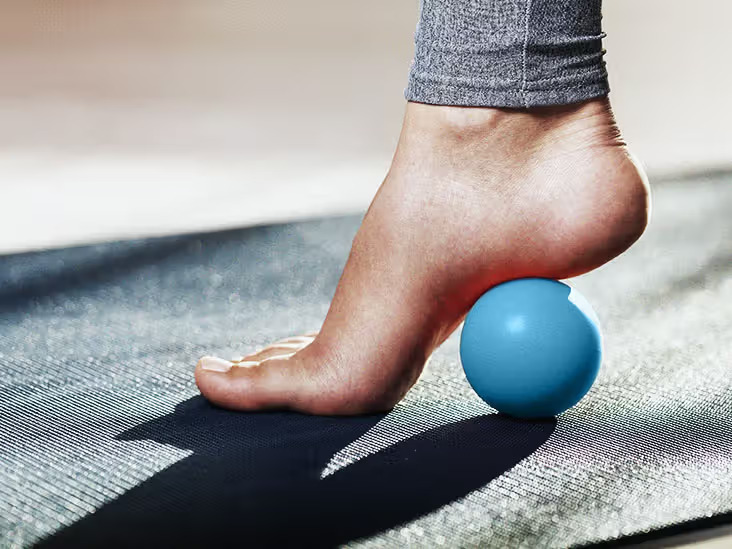
Treatment for plantar fasciitis is often approached in stages, starting with non-surgical care and progressing to more targeted interventions if symptoms persist.
Here are some simple stretches you can try, under the guidance of a health professional, to manage plantar fasciitis:
Finding shoes with good arch support and cushioning is crucial to managing plantar fasciitis. Look for shoes designed specifically for plantar fasciitis, with features like:
Firm Arch Support: Provides stability and reduces stress on the plantar fascia.
Shock-absorbing soles: Absorbs impact and reduces pressure on the heel.
Good fit: Shoes that fit well and provide adequate support are essential.
Surgery may be considered when plantar fasciitis symptoms persist despite a period of structured non-surgical care and continue to affect daily function. It is typically discussed after other treatment approaches have not provided sufficient relief.

In some cases, additional therapies for plantar fasciitis might be considered:
Preventing plantar fasciitis involves reducing repeated stress on the foot and maintaining good support for the plantar fascia during daily activities and exercise.
Choosing shoes with adequate arch support and cushioning can help distribute pressure evenly across the foot and reduce strain on the plantar fascia, especially during prolonged standing or walking.
Regular stretching of the calf muscles and plantar fascia can help maintain flexibility and reduce tension in the foot. This is particularly helpful before and after physical activity.
Increasing the intensity or duration of physical activity gradually allows the foot to adapt to additional нагрузка, reducing the risk of strain or injury.
Maintaining a healthy body weight can reduce excess pressure on the heel and plantar fascia, lowering the risk of irritation over time.
Standing or walking for long periods on hard surfaces can increase stress on the foot. Taking breaks and using supportive footwear can help minimise this impact.
Wearing appropriate footwear and using supportive insoles during sports or exercise can help protect the plantar fascia from excessive strain.

Auspicium Orthopaedic Centre provides care for individuals with plantar fasciitis through a structured and patient-focused approach. Treatment planning is guided by clinical assessment, imaging where required, and an understanding of each patient’s activity level and lifestyle needs.
Where surgery is considered, the focus is on addressing the underlying cause of persistent heel pain while supporting recovery through rehabilitation and follow-up care. Patients are guided through each stage, from evaluation to post-treatment recovery, with a coordinated approach to restoring movement and daily function.
Spine - Neck
Shoulder & Elbow
Spine — Back
Wrist & Hand
Knee Pain
Ankle Pain
Foot Pain
Book a consultation with us for a more comprehensive diagnosis and a personalised treatment plan best suited to your needs.
Spine - Neck
Shoulder & Elbow
Spine — Back
Wrist & Hand
Knee
Ankle
Foot

Dr. Edwin Tan is a Consultant Orthopaedic Surgeon who completed structured training in Singapore and overseas, with recognised qualifications. He graduated from the National University of Singapore in 2004, completed his Master’s of Medicine in Orthopaedic Surgery in 2013, and was awarded the Fellowship of the Royal College of Surgeons of Edinburgh in 2014. His clinical work focuses on sports injury management, musculoskeletal conditions, and both surgical and non-surgical management.
Dr. Tan’s approach is centred on helping patients return to full function, whether through non-invasive methods or surgical procedures, so that they can resume daily activities and maintain an active lifestyle.
Plantar fasciitis often presents as sharp, stabbing pain at the bottom of the heel, particularly during the first steps in the morning or after periods of rest. However, other conditions such as Achilles tendinopathy or nerve-related issues can also cause similar symptoms. A proper clinical assessment is important to determine whether the pain is due to plantar fasciitis or something else, so that appropriate management can be recommended.
In some cases, symptoms may improve with rest, stretching, and supportive footwear. However, without appropriate management, the condition may persist or become chronic, affecting daily mobility. Consulting an orthopaedic specialist can help assess the condition early and guide suitable treatment to support recovery.
These approaches may help ease pain and reduce inflammation, but medical advice may be needed if symptoms continue.
If heel pain persists for more than a few weeks despite rest and home care, or if it interferes with walking, work, or physical activity, it is advisable to seek medical attention. Consulting an orthopaedic doctor in Singapore can help determine the cause of your symptoms and guide appropriate management, which may include physiotherapy, orthotics, or other treatment options.
Surgery is seldom required, but may be considered in more severe cases where conservative treatment does not relieve symptoms after several months. In such situations, orthopaedic surgeries may be discussed to reduce tension in the plantar fascia. The decision depends on the individual’s condition, and recovery timelines can vary between patients.
How tight Achilles tendons or Achilles tendinopathy can worsen plantar fasciitis symptoms and contribute to persistent heel pain.
Understand how weak ankles or Ankle Instability can place additional stress on the plantar fascia.
Explore how repetitive strain in the lower leg, such as shin splints, can be linked with foot mechanics and heel discomfort.
If you are seeking options for plantar fasciitis treatment in Singapore, you may visit us at:
Auspicium Orthopaedic Centre
3 Mount Elizabeth, #11-13
Singapore 228510