
Osteoporosis is a condition that weakens bones by reducing their density and strength, making them more likely to fracture from even minor falls or injuries. It is especially common in older adults and postmenopausal women. Early diagnosis, prevention, and treatment play a key role in reducing fracture risks and maintaining mobility.
Causes, Symptoms, Diagnosis, Treatment and Prevention.
Osteoporosis is a progressive bone disease characterized by decreased bone mineral density and deterioration of bone microarchitecture. This leads to weakened bones that are more susceptible to fractures, even from minor falls or bumps. Although osteoporosis can occur in anyone, it is more common in older people, especially postmenopausal women. This guide explores the causes, symptoms, diagnosis, treatment options and preventative measures of osteoporosis.
Healthy bones constantly undergo a remodeling process, during which old bone tissue is broken down and replaced with new bone. In osteoporosis, this delicate balance is disrupted. Bone resorption (degradation) exceeds bone formation, leading to a net loss of bone mass and an increased risk of fracture.
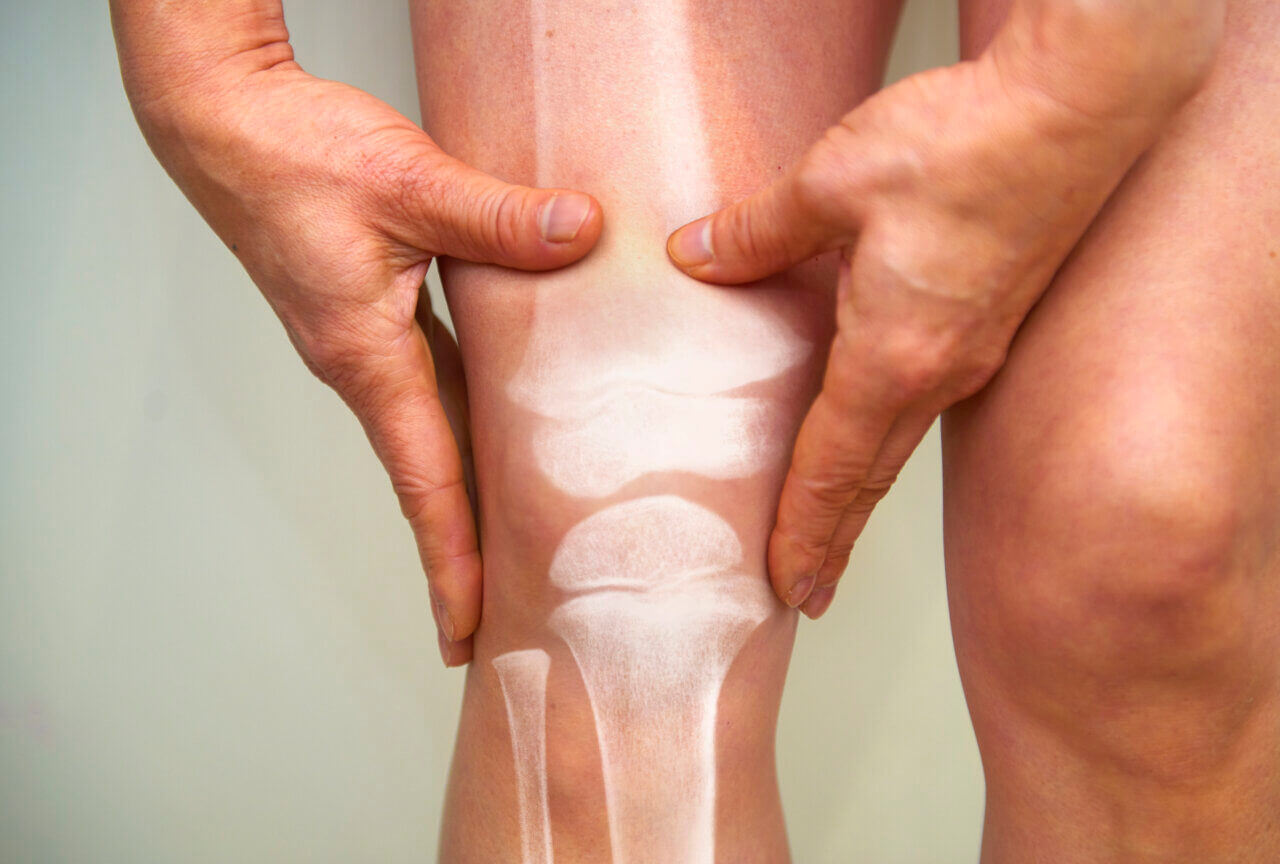
Osteoporosis is often called a “silent disease” because it usually progresses without symptoms until a fracture occurs. However, some people might experience:
It is important to note that these symptoms can sometimes be caused by other medical conditions. Consulting a healthcare professional for a proper diagnosis is crucial. Book your appointment today!
Certain factors can increase an individual’s susceptibility to osteoporosis:
Women are more at risk than men due to hormonal changes after menopause.
Caucasians and Asians are at higher risk than African Americans and Hispanics.
People with smaller, leaner builds tend to have less bone mass and are at higher risk of osteoporosis.
Having a fragility fracture (fracture caused by a minor fall) as an adult increases the risk of future fractures.
Osteoporosis treatment focuses on preventing future fractures and managing pain if they occur. Here is an overview of common treatment strategies:
These are crucial for bone health and include:
Several medications can help prevent bone loss and reduce fracture risk:
It is important to note that the choice of medications depends on individual factors and should be discussed with a healthcare professional.
If you’re experiencing bone-related discomfort or would like to understand your risk of osteoporosis, book a consultation at Auspicium Orthopaedic Centre for a comprehensive assessment and a discussion on suitable management or preventive care options based on your needs.

Dr. Edwin Tan is a Consultant Orthopaedic Surgeon who completed structured training in Singapore and overseas, with recognised qualifications. He graduated from the National University of Singapore in 2004, completed his Master’s of Medicine in Orthopaedic Surgery in 2013, and was awarded the Fellowship of the Royal College of Surgeons of Edinburgh in 2014. His clinical work focuses on sports injury management, musculoskeletal conditions, and both surgical and non-surgical management.
Dr. Tan’s approach is centred on helping patients return to full function, whether through non-invasive methods or surgical procedures, so that they can resume daily activities and maintain an active lifestyle.
Osteoporosis treatment typically involves a combination of lifestyle adjustments and medication.
Lifestyle changes: Adopting a calcium-rich diet, vitamin D supplementation, and regular weight-bearing exercise.
Medications: Options may include bisphosphonates, denosumab, selective oestrogen receptor modulators, or parathyroid hormone therapy.
Osteoporosis cannot be fully reversed, but its progression can be slowed or stabilised. Treatments focus on increasing bone strength, preventing fractures, and supporting quality of life. With appropriate care, patients may lower their risk of fractures and preserve daily independence.
Bone density screening (DXA scan) is recommended for women aged 65 and above, men aged 70 and above, adults over 50 with a history of fractures, and individuals with factors such as family history, hormonal changes, or long-term medication use that may affect bone health.
The timeframe differs depending on the individual and the type of treatment. Certain medications may begin to improve bone strength within a few months, while lifestyle adjustments often take longer to show measurable effects. Ongoing scans and consultations are important to track progress.
Yes, but exercises should be tailored to your condition. Weight-bearing and resistance exercises may support bone strength, while high-impact movements should be avoided if you are at risk of fractures. Always seek guidance from your doctor or physiotherapist before beginning a new exercise programme.
Learn how fragile bones raise the risk of hip fractures, and why early treatment plays a key role in supporting recovery and mobility.
Learn how bone loss may influence spinal alignment and play a role in the progression of scoliosis.
Examine the link between osteoporosis and low back pain, which is often associated with vertebral compression fractures.
If you are concerned about your bone health or seeking osteoporosis treatment in Singapore, visit us at:
Auspicium Orthopaedic Centre
3 Mount Elizabeth, #11-13
Singapore 228510