Blog

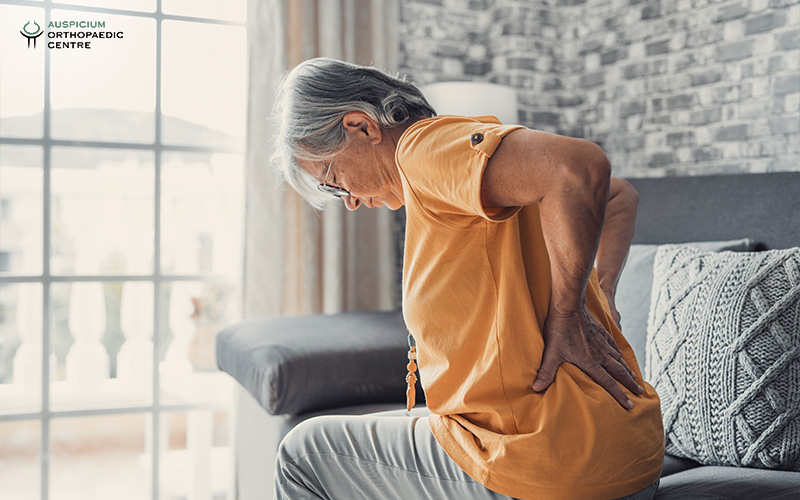
Elderly woman feeling lower back pain
The early stages of osteoporosis can develop quietly, often without noticeable symptoms, until bones begin to weaken. A stooped posture, loss of height, or persistent back pain may indicate that bones are becoming weaker. Identifying these early indicators can help reduce the risk of fractures and support mobility and independence. Learn what to watch for and why timely medical assessment matters in maintaining long-term bone health.
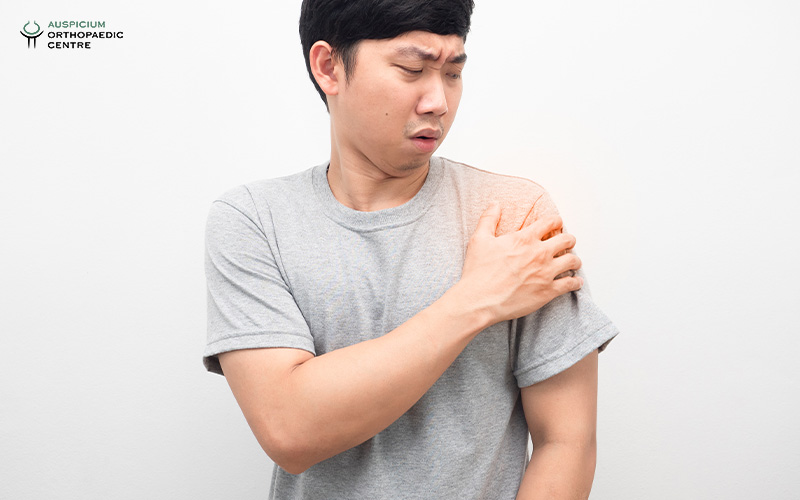
Man with shoulder pain from shoulder impingement.
Shoulder impingement can make daily activities, especially overhead movements, challenging. Recovery involves more than rest, as guided exercises play an important role. Discover 3 gentle shoulder impingement exercises that help reduce irritation, improve posture, and restore mobility. These safe, low-impact movements support muscle balance and joint control, allowing you to return to everyday tasks with comfort.
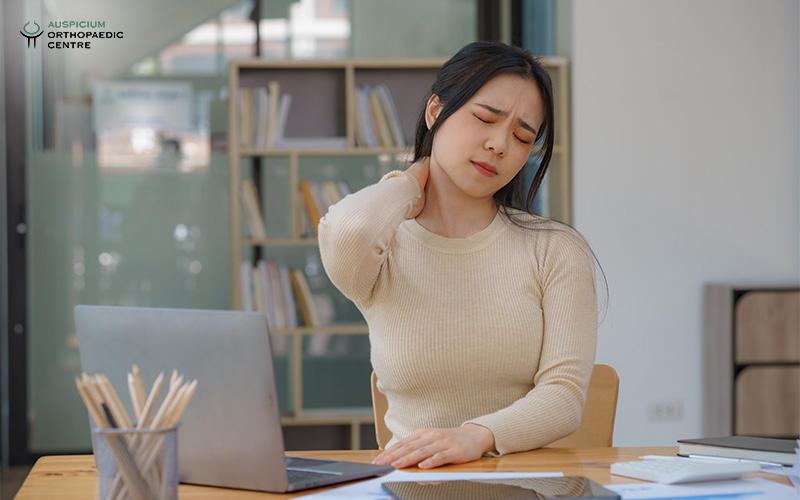
Person seated at a desk holding neck in pain, with laptop and documents in a modern office setting.
Frozen shoulder requires careful pacing to avoid setbacks. This article explains how to approach frozen shoulder exercises safely, from gentle stretches in the early stages to more active movements later. You will also learn how to recognise the signs of overexertion and when professional input may be needed. With an appropriate approach, you can maintain mobility without aggravating pain or inflammation.
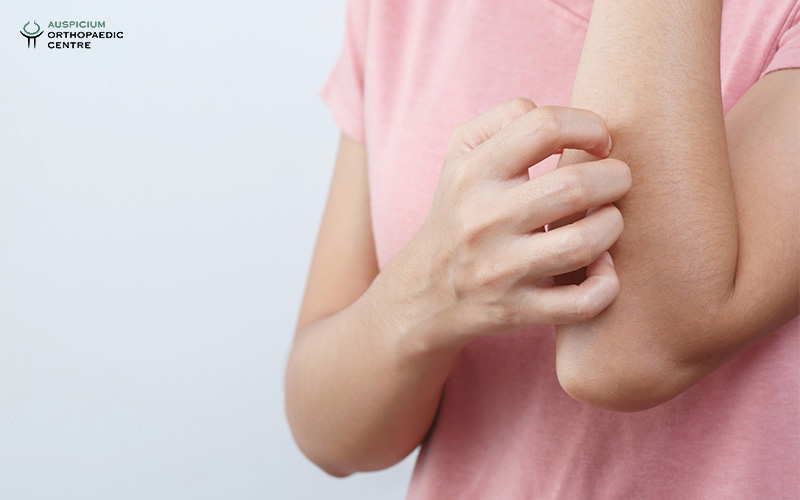
Person in pink shirt scratching left forearm, suggesting skin irritation, against a plain light background.
Pain in the elbow does not always mean the same thing. Tennis elbow and golfer’s elbow are two common tendon overuse injuries, with pain felt in different places and triggered by different movements. By recognising how tennis elbow and golfer’s elbow symptoms show up, you can take steps to manage discomfort and know when to consult a medical professional in Singapore for further guidance.
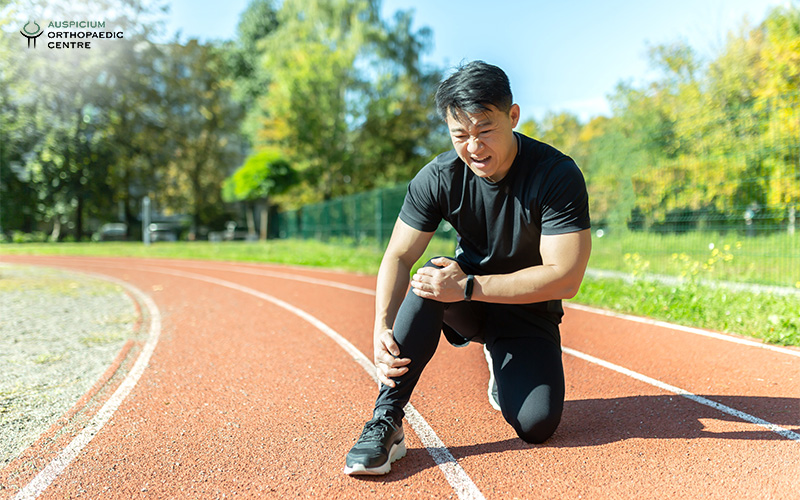
Person in black athletic wear kneeling on a red track, holding lower leg in pain at an outdoor sports facility.
Bone spurs often develop where bones meet, such as the spine, hips, knees, or heels. While many remain symptom-free, some spurs can trigger pain by pressing on nearby nerves or by limiting joint function. This guide breaks down what spurs are, their common locations, and the reasons they may or may not cause symptoms. Learn what to watch for if you suspect a spur is behind your joint pain.
Close-up of feet on a white mat indoors, one foot flat and the other raised on toes in a stretch.
Flat feet can alter how impact is transmitted through the legs, placing additional stress on both the knees and ankles. Over time, this may lead to pain at the front of the knee, inner strain, or ankle discomfort after physical activity. This article explores the relationship between flat feet, knee pain, and ankle pain, highlighting the early signs and practical methods to alleviate strain through supportive footwear, orthotics, and targeted strengthening exercises.