
Introduction
Osteoporosis is often described as a “silent disease” because bone loss develops slowly and quietly, with no obvious warning signs until the first fracture occurs. The early stages of osteoporosis are easy to overlook, yet subtle physical changes and medical indicators may already be present before serious damage occurs. Recognising these signals is important, especially since the condition can affect anyone, though postmenopausal women and older adults are particularly vulnerable.
In Singapore, as the population ages, osteoporosis is becoming a growing concern . With an increasing number of residents aged over 65, and common habits like long sitting hours and poor calcium intake, the risk of weakened bones continues to rise. While many still assume osteoporosis is only an issue for the elderly, younger adults may also be at risk if they have poor nutrition, hormonal imbalances, or chronic illnesses.
Spotting the early stages of osteoporosis can help individuals seek timely advice, adjust their lifestyle, and reduce the risk of bone damage in the future. This article explores the key warning signs to watch for, how they may appear in daily life, and why early detection has an important role in protecting long-term bone health.
Key Takeaways
- Subtle physical changes such as posture shifts, loss in height, or recurring back pain can reflect underlying bone changes.
- Everyday signs, including reduced grip strength, brittle nails, and gradual muscle loss, may point to lower skeletal resilience.
- Screening methods, such as bone density tests and blood work, can identify issues before fractures occur.
- Recognising risk factors and lifestyle patterns early can help individuals take timely steps to support long-term mobility.
Part 2: Physical and Medical Signs to Watch For
2.1 Subtle Changes in Posture, Height, and Back Discomfort
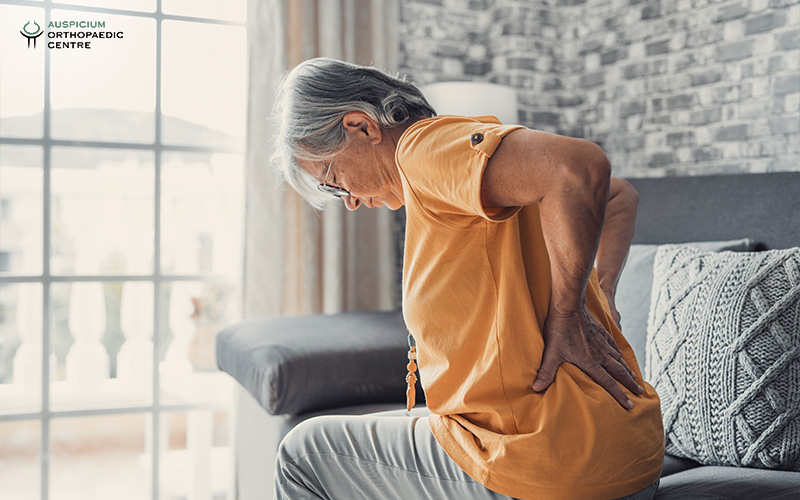
One of the earliest clues that bones may be weakening is a noticeable change in posture or body height. Losing more than 2 cm over time can indicate vertebral compression, which is often linked to early bone weakening in the spine. A stooped or hunched posture, known as kyphosis, is another common sign, particularly in older adults who may already be experiencing reduced spinal strength. These shifts, often associated with the early stages of osteoporosis, may first be noticed in simple ways, such as clothes fitting differently, needing to adjust trouser length, or friends and family commenting on a visible “stoop.”
Persistent or recurring back discomfort, especially around the mid-back area, may sometimes stem from small spinal fractures that go undetected. Daily life can also be affected, with individuals finding it harder to stand upright for long periods, experiencing discomfort while walking, or struggling with balance on stairs. Many chalk these issues up to natural ageing, but in reality, they can reflect the early stages of osteoporosis. Paying attention to these gradual changes can offer useful insight into bone health that might otherwise be overlooked.
2.2 Grip Weakness, Nail Breakage, and Subtle Muscle Loss
Bones and muscles are closely interconnected, which means early skeletal changes can sometimes manifest in everyday activities. For example, a gradual loss of grip strength may become noticeable during simple tasks like twisting open jars, lifting grocery bags, or holding onto objects for longer periods. This can occasionally be an early indicator of the early stages of osteoporosis.
Fingernails that become brittle or break easily may also suggest declining bone quality, particularly when linked to nutritional factors. Diets lacking in protein, vitamin D, or calcium can weaken both nails and bones, making them more prone to damage. Poor nutrition may not cause noticeable changes immediately, but over the years, it can play a role in reducing bone support and structural strength.
In addition, subtle muscle loss can occur due to inactivity or reduced bone support, leading to poorer balance and coordination. This can translate into a greater likelihood of slips or trips in daily life, such as stumbling on uneven ground, missing a step on the stairs, or needing to catch yourself when walking on wet or crowded walkways. These everyday falls, while often dismissed as clumsiness, may be early red flags of reduced skeletal and muscular resilience.
Ultimately, signs like grip weakness, brittle nails, and increased fall risk may indicate deeper skeletal changes associated with the early stages of osteoporosis.
2.3 Screening Tests and Risk Factors to Consider
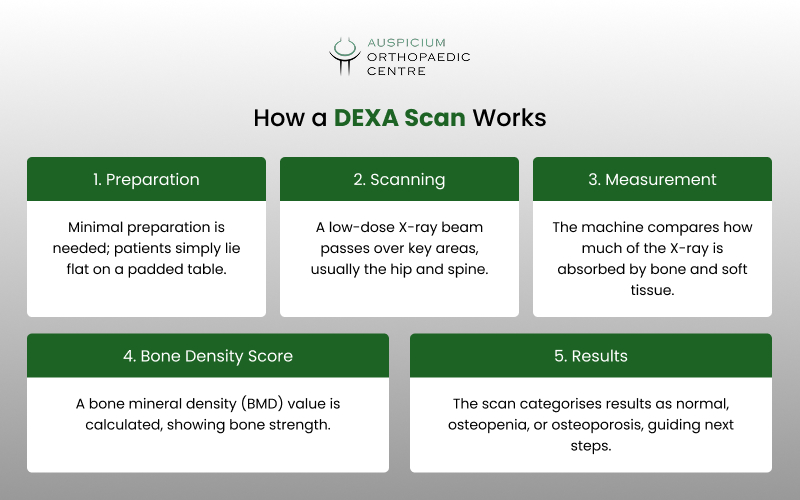
While physical changes provide important clues, medical screenings are a recognised way to detect bone health problems early. Bone mineral density (BMD) tests, such as DEXA scans, can identify reduced bone strength before a fracture occurs, making them a useful tool in identifying the early stages of osteoporosis. A DEXA scan uses low-dose X-rays to measure the mineral content in bones, usually at the hip and spine. The procedure is straightforward, generally taking about 10 to 20 minutes, and is non-invasive.
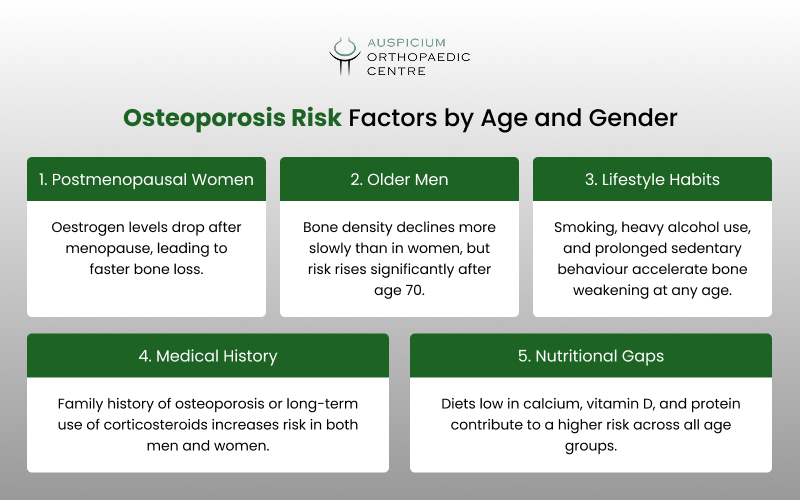
Doctors often recommend earlier screening for individuals with known risk factors. These may include a family history of osteoporosis, early menopause, low body weight, or long-term use of corticosteroids. In Singapore, DEXA scans are commonly available in hospitals, diagnostic centres, and orthopaedic clinics. Women over the age of 65 and men over 70 are often encouraged to undergo routine scans, while younger adults with risk factors may be advised to test earlier.
Blood tests can also uncover low calcium levels, vitamin D deficiency, or elevated bone turnover markers, all of which suggest that bone remodelling is not occurring effectively. Without proactive screening, many people remain unaware of their weakened bones until a preventable fracture occurs. Therefore, regular medical evaluations are one way to catch silent disease symptoms before they progress into more serious outcomes. These findings often provide medical indications of the early stages of osteoporosis, long before visible fractures appear.
Part 3: Why Early Detection Matters More Than You Think
3.1 Preventing the First Fracture: Why It’s a Critical Turning Point
When it comes to osteoporosis, the first fracture is more than just a broken bone. It often marks a turning point that significantly changes a person’s quality of life. After this initial break, individuals are more likely to experience additional fractures, creating a cycle of reduced mobility and declining health. Hip fractures are particularly concerning. In Singapore, studies have shown that the number of hip fractures is projected to rise sharply with the ageing population. Across Asia, hip fracture rates are increasing faster than in many Western countries, leading to higher healthcare and social costs. These fractures are often the result of changes that began in the early stages of osteoporosis, long before the first break occurs.
The impact extends well beyond osteoporosis treatment. Many people who experience a hip or spinal fracture find it harder to manage daily activities, such as climbing stairs, walking short distances, or carrying shopping bags. Some may need mobility aids, while others become more reliant on caregivers. Loss of independence, difficulty moving around the home, and persistent discomfort are common consequences that affect both physical and emotional wellbeing.
Detecting the early stages of osteoporosis provides an opportunity to act before reaching this point, where mobility and independence may be affected. Lifestyle adjustments such as balanced nutrition, calcium and vitamin D supplementation, and appropriate treatment can reduce the risk of fractures. Acting early helps to avoid the chain of difficulties that a single fracture can trigger, making prevention an important part of long-term health planning. Seeking advice from a bone specialist in Singapore can also help guide individuals on suitable steps for managing these risks.
3.2 Lifestyle Signals That May Indicate an Underlying Bone Issue
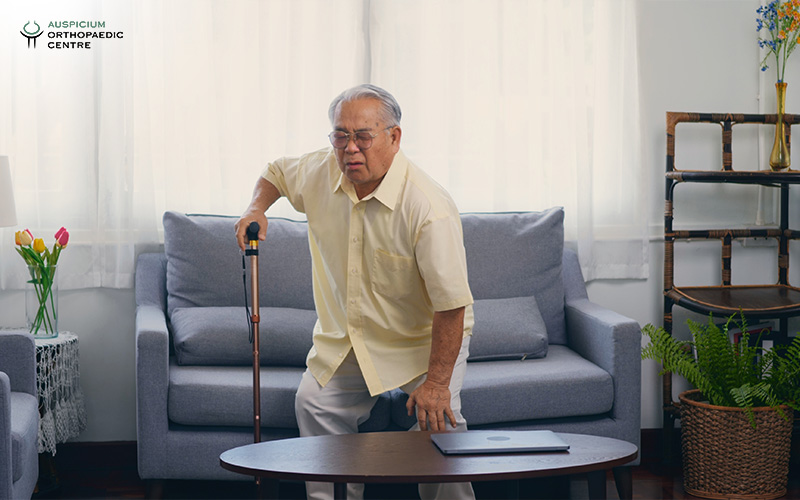
Sometimes, early clues about bone health appear not through dramatic medical events but through everyday behaviours that may point towards fragile bones. Frequent minor falls, difficulty maintaining balance, or a growing dependence on handrails for stability can indicate reduced musculoskeletal strength. Likewise, feeling unusually fatigued, taking longer to recover from small injuries, or experiencing soreness after routine activities may signal that bones and muscles are not as resilient as they once were. These everyday changes can sometimes be linked to the early stages of osteoporosis, even before a fracture occurs.
A sedentary lifestyle can worsen the situation. For individuals aged over 50, long hours of sitting or inactivity may speed up bone loss, often without any noticeable symptoms until a fracture occurs. Nutrition plays a role as well. Diets lacking in calcium, vitamin D, and adequate protein may gradually weaken bone health, especially when combined with smoking or excessive alcohol consumption. These habits reduce the body’s ability to build and maintain bone tissue, increasing the chance of skeletal deterioration. Calcium deficiency, in particular, is a common contributor to weakening bones and may play a role in the early stages of osteoporosis.
Simple daily actions may help to reduce the risk. Short walks, climbing stairs, or using light weights can stimulate bone and muscle strength. Choosing balanced meals that include dairy, leafy greens, fish, or fortified alternatives supports bone structure. Reducing alcohol intake and quitting smoking also contribute to slowing bone loss. By staying mindful of these lifestyle patterns, individuals can spot potential red flags early on. Recognising these subtle signs is often the first step towards seeking advice, undergoing a bone health assessment, and addressing the early stages of osteoporosis before they escalate.
3.3 Questions You Might Have
1. How is osteoporosis different from osteopenia?
Osteopenia refers to lower-than-normal bone density that has not yet reached the threshold for osteoporosis. It can be thought of as a warning stage where bones are weaker than average but not severely fragile. Many of the same risk factors apply such as ageing, poor diet, or lack of exercise, and if left unaddressed, osteopenia can progress into the early stages of osteoporosis.
2. Can younger adults experience the early stages of osteoporosis?
Yes. Although osteoporosis is often linked with ageing, younger adults are not immune. Poor nutrition, chronic illnesses, eating disorders, or hormonal imbalances can all contribute to reduced bone mass at an earlier age. Athletes who overtrain without proper recovery, or individuals with calcium and vitamin D deficiencies, may also be at risk. These factors can sometimes trigger the early stages of osteoporosis, which highlights the importance of viewing osteoporosis as more than just an “older person’s disease.”
3. Is bone weakening reversible in the early stages?
Bone loss is not always fully reversible, but with early intervention, it can often be slowed or stabilised. Treatment strategies may include medication, targeted supplements, weight-bearing exercise, and lifestyle changes designed to support bone health. For those already showing signs of weakened bones, proactive steps taken during the early stages of osteoporosis can influence outcomes.
4. Do supplements alone help prevent osteoporosis?
Supplements such as calcium and vitamin D can support healthy bones, but they are generally used alongside other strategies. Regular exercise, balanced nutrition, and avoiding smoking or heavy alcohol use are just as important. People with conditions such as postmenopausal osteoporosis may require treatment that is not limited to supplements alone. For many individuals, these combined measures can also play a role in slowing the early stages of osteoporosis before fractures occur.
5. Should I get a bone scan even if I have no symptoms?
Osteoporosis is often symptomless until the first fracture occurs, which is why proactive screening is important. Even if you feel healthy, having risk factors such as menopause, family history of fractures, low body weight, or long-term use of steroids may warrant a bone density scan. Detecting issues early provides the chance to protect bone strength before complications develop. Screening can also identify the early stages of osteoporosis, giving individuals more time to take preventive steps.
Conclusion
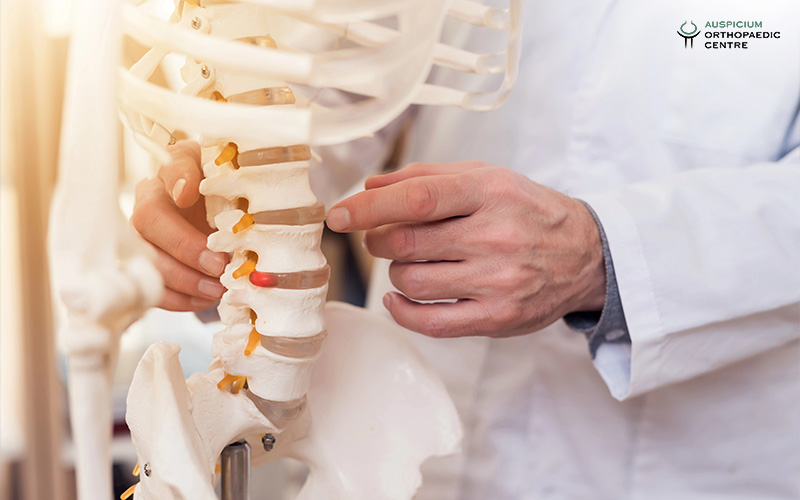
The early stages of osteoporosis often unfold quietly, without obvious symptoms to warn you of what is happening beneath the surface. Yet small, gradual changes such as a slight stoop in posture, a reduction in height, or even muscle weakness can be the body’s way of signalling that bone strength is diminishing. These warning signs should not be ignored, as they may point to underlying bone density loss that requires attention.
By recognising the early stages of osteoporosis and acting promptly, individuals can seek timely assessment, make lifestyle adjustments, and consider treatment options that slow the progression of bone loss. Early detection is not only about preventing fractures; it is about preserving mobility, independence, and daily function. If the condition is left untreated, severe fractures may occur, sometimes requiring interventions such as orthopaedic surgery in Singapore. Importantly, an assessment does not always lead to medication. In many cases, small steps such as adjusting diet, incorporating weight-bearing activity, or addressing vitamin and mineral intake can play a role in maintaining bone strength.
Readers can start by monitoring their own lifestyle habits, keeping track of posture and height changes, or discussing potential risk factors with their doctor. Taking these simple actions at an early stage helps increase awareness and guide informed decisions about bone health.
If you have noticed these changes in yourself or a loved one, or if you are concerned about your bone health, a specialist clinic such as Auspicium Medical can help. We provide consultations, screening, and management for musculoskeletal conditions, including osteoporosis.
Take the first step towards protecting your bone health by scheduling a consultation to discuss your needs, review available options, and plan suitable care for the future.