
Key Takeaways
- Gentle, low-impact movements can help maintain mobility while reducing discomfort in the shoulder.
- Posture and muscle strength play a crucial role in preventing irritation and supporting recovery.
- Consistent, guided exercise can help manage symptoms over time when compared with relying on rest alone.
- Simple daily practices can restore function and improve confidence in everyday activities.
Introduction
Shoulder impingement can cause discomfort and restrict daily function, particularly when lifting the arm overhead. While short periods of rest may provide temporary relief, long-term improvement usually requires consistent movement and strengthening. Incorporating targeted shoulder impingement exercises into your routine can help reduce irritation, improve mobility, and restore function. This article outlines three gentle movements designed to support recovery while protecting the shoulder joint.
1. Shoulder Impingement Involves Compression Within the Joint
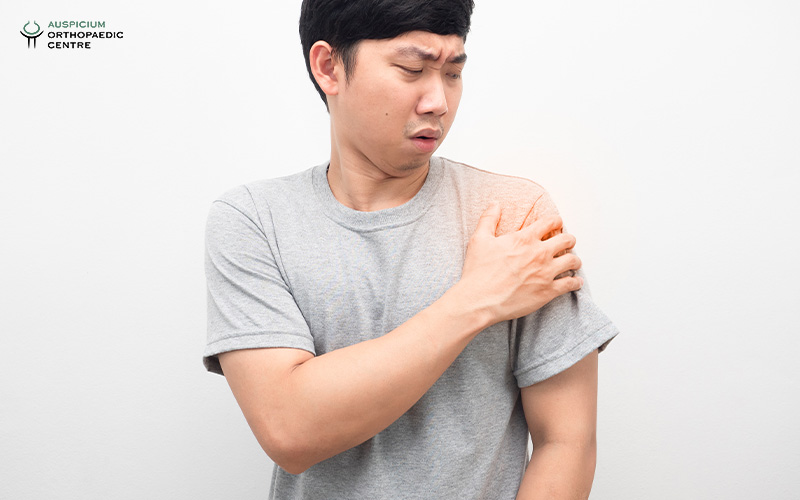
The condition develops when soft tissues such as the rotator cuff tendons or bursa are compressed during arm elevation, often beneath the bony acromion. This narrowing of joint space can lead to inflammation, aching pain, and limited range of motion. Individuals may notice particular difficulty with tasks that involve reaching overhead or repetitive lifting. In many cases, specific rotator cuff impingement exercises are recommended to restore balance to the muscles that stabilise the joint and reduce symptoms, and an orthopaedic doctor in Singapore may provide guidance on suitable options for rehabilitation.
2. Poor Posture and Weak Muscles Contribute to Irritation

Slouching or spending long hours at a desk can gradually misalign the shoulder joint. When paired with weak supporting muscles, this increases strain and irritation during movement. Over time, poor mechanics may worsen shoulder pain from overhead movement, even during simple tasks like reaching for items on a shelf. Improving posture and strengthening these muscles allows the shoulder to move more efficiently, reducing the likelihood of repeated impingement. A sports injury doctor in Singapore can provide guidance in managing these issues.
3. Pendulum Exercises Encourage Safe, Passive Motion
One of the recommended shoulder impingement exercises for early recovery is the pendulum swing. This movement involves bending slightly forward and allowing the affected arm to dangle, then gently swinging it in small circles. The exercise uses gravity to assist motion, keeping the joint mobile without overloading inflamed tissues. For those managing posture-related shoulder issues, pendulum exercises are a way to maintain blood flow and prevent stiffness while minimising stress on the joint.
4. External Rotations Strengthen Shoulder Stabilisers
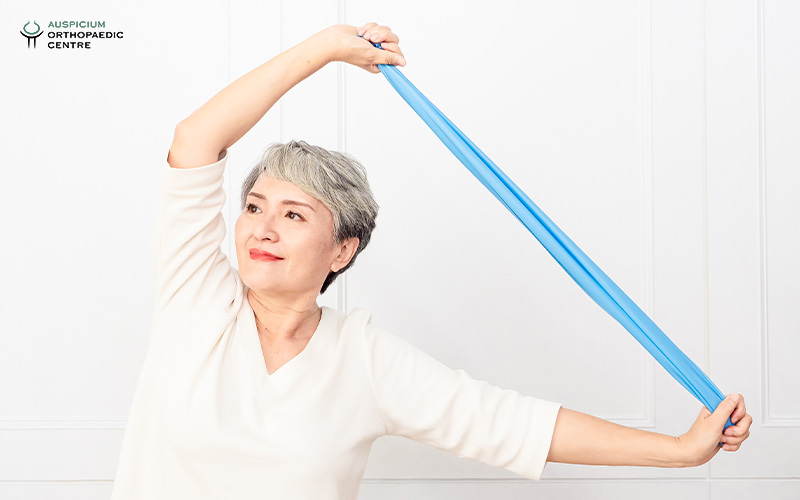
Once pain levels allow, external rotation with a resistance band is a progressive step. By standing with the elbow tucked against the body and gently rotating the forearm outward, the rotator cuff muscles are engaged. Consistent practice of these shoulder impingement exercises helps improve control of the joint and lowers the risk of repeated irritation. Developing strength in this area also supports scapular stability and shoulder function, which are key to comfortable daily movement.
5. Wall Angels Reinforce Posture and Scapular Movement
Wall angels are performed by standing against a wall with arms bent at 90 degrees, then slowly sliding them upward while maintaining contact with the wall. This gentle movement is effective in retraining the upper back and shoulder blades for coordinated motion. By reinforcing posture and encouraging proper scapular motion, wall angels may help to reduce compression in the joint. This movement is often included among shoulder impingement exercises that are used in rehabilitation when guided by an orthopaedic clinic in Singapore.
Conclusion
Shoulder impingement is often influenced by posture, muscle weakness, and repetitive activity. Simple, consistent shoulder impingement exercises such as pendulum swings, external rotations, and wall angels help relieve strain and support recovery. If pain persists despite these efforts, reach out to Auspicium Medical to discuss individualised treatment and long-term management.
By combining guided exercise with medical advice when needed, individuals can work towards improving comfort, mobility, and confidence in everyday activities.