

Key Takeaways:
- Everyday posture choices, such as slouching at a desk or leaning to one side, can place additional strain on the lower back.
- Habits during screen use, commuting, or resting often go unnoticed but may contribute to ongoing discomfort over time.
- Engaging core muscles during simple movements helps distribute pressure more evenly and reduces stress on the spine.
- Paying attention to posture and making minor adjustments can support long-term back comfort and mobility.
Introduction
Lower back pain is often associated with injuries or the natural effects of ageing, yet posture is another factor that can quietly shape how the back feels day to day. The way you sit at your desk, balance your weight while standing, or bend over your phone may seem harmless, but repeated over time, these small habits can place added stress on the spine and surrounding muscles.
In this article, we look at everyday postural habits that may be contributing to bad posture and back pain, why they matter, and what simple adjustments can help ease the strain.
Are You Slouching at Your Desk?
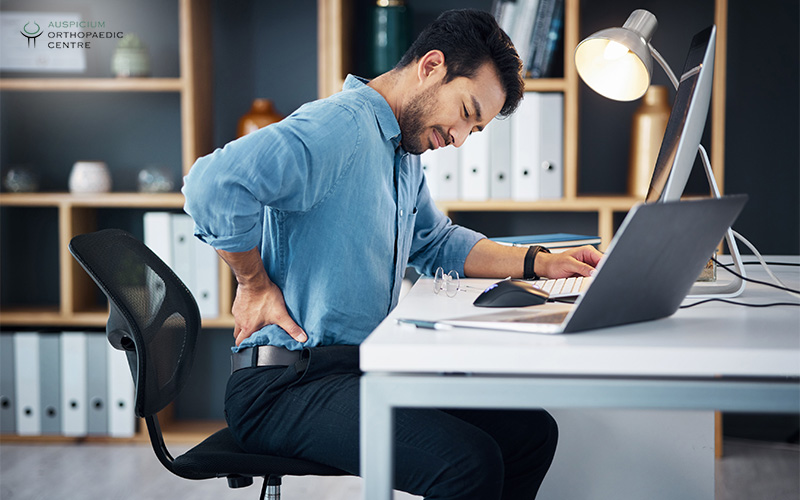
Long hours at a desk may result in rounded shoulders and a curved spine. This posture shifts weight away from the spine’s natural alignment and increases strain on muscles that are meant to stabilise the lower back. Over time, the imbalance may compress spinal discs, tighten surrounding tissues, and contribute to lumbar discomfort from poor alignment, creating challenges that extend beyond temporary stiffness.
For many who spend much of the day seated, these stresses build gradually, showing up as stiffness after long meetings, fatigue by the evening, or persistent back pain from poor posture that becomes harder to ignore.
Adjustments such as positioning the monitor at eye level, sitting back fully in the chair for lumbar support, and taking regular standing breaks can reduce the burden of prolonged sitting. If symptoms continue, an assessment at an orthopaedic clinic in Singapore may provide clarity on the contributing factors.
Do You Lean on One Side While Standing?
Resting your weight on one hip or favouring one side while standing may feel natural, but over time, it alters how the spine and surrounding muscles share the load. This uneven distribution can create muscular imbalances that show up as tightness, stiffness, or even sharp discomfort after long periods of standing. Habits such as shuffling from side to side while waiting in queues, leaning against the pole in the MRT coach, or standing during a commute can quietly reinforce these patterns without you realising it.
Balancing weight evenly through both feet and keeping the spine upright allows the body to maintain a more neutral alignment. Developing awareness of these standing habits can make a difference in reducing unnecessary stress on the lower back and supporting overall postural habits and spine health. If discomfort becomes persistent, consulting a bone specialist in Singapore may help assess whether postural imbalance is contributing to your symptoms.
How Does Screen Usage Affect Posture?
Frequent screen use encourages the head to tilt forward and the shoulders to round, pulling the spine out of its natural alignment. This forward-leaning posture transfers strain down the back and can place added pressure on the lower spine. Over time, habits like looking down at a phone or tablet for extended periods may contribute to bad posture, back pain, and stiffness that lingers beyond short-term fatigue.
Simple adjustments can reduce these stresses. Holding devices closer to eye level, keeping shoulders relaxed, and taking brief breaks to stretch the neck and back are practical ways to ease pressure. Building awareness of these minor corrections can help limit the long-term impact of screen usage on spinal alignment.
Are You Getting Enough Back Support When You Sit?
It’s common to slump into bus and car seats, or sofas after a long day, but these positions often provide little support for the spine. Soft or angled surfaces flatten the lower back’s natural curve, which can gradually worsen lumbar discomfort from poor alignment. When repeated daily, this form of bad posture may contribute to back pain that feels more persistent than occasional stiffness.
Small adjustments can make a noticeable difference. Using a cushion for lumbar support, selecting firmer seating when possible, or sitting with hips and knees aligned helps reduce pressure on the spine during commutes and rest. These changes may not eliminate discomfort entirely, but they can limit the additional strain created by unsupportive sitting habits.
Do You Engage Your Core During Daily Movements?
Everyday actions like lifting a bag, bending to pick something up, or carrying groceries rely on more than just the muscles of the back. When the abdominal muscles are not activated, the spine is left to bear most of the effort, which can increase the risk of strain over time. This is especially noticeable during repetitive or awkward movements, where poor mechanics can gradually contribute to discomfort.
Incorporating core engagement and back support into daily tasks helps distribute pressure more evenly across different muscle groups. Activating the core before lifting, keeping objects close to the body, and avoiding sudden twisting movements are simple ways to reduce unnecessary stress on the lower back. These small adjustments can make routine activities less demanding on the spine.
Conclusion: Why Awareness of Postural Habits Matters
Back discomfort does not always stem from major injuries. Repeated daily actions, carried out without much thought, can gradually build up strain and contribute to bad posture and back pain over time. Becoming more mindful of posture and spine health allows for small, practical adjustments that may help ease pressure and reduce unnecessary stress.
Auspicium Medical offers orthopaedic consultations and assessments for a range of musculoskeletal concerns, including those involving the spine and lower back. If ongoing discomfort is affecting your ability to work, travel, or rest comfortably, arrange for a consultation to understand the contributing factors and explore suitable management options.