Blog
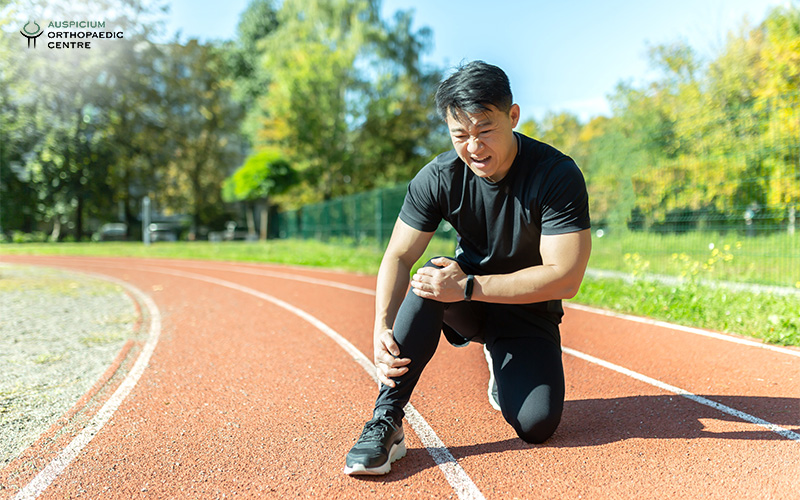
Knee pain can stem from many causes, not just ACL tears. An ACL tear clinic uses medical tests and imaging to differentiate between conditions such as meniscus tears, ligament sprains, and bone bruises. Early and accurate diagnosis helps reduce the risk of long-term instability and ensures that treatment matches the actual cause. Explore how careful assessment brings clarity to knee pain and supports timely management.
Joint clicks and pops can seem unusual, but they are often harmless. Some occur because of gas bubbles in the joint fluid, while others are linked to tendon or ligament movement. In some situations, the causes of clicking joints may include cartilage wear or early arthritis, particularly when pain, swelling, or instability are present. This article outlines common reasons for joint noises and explains when it may be appropriate to seek medical review.
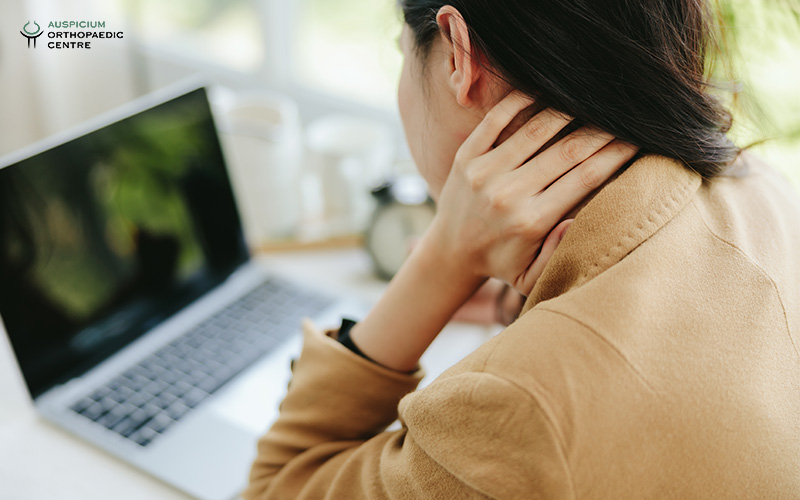
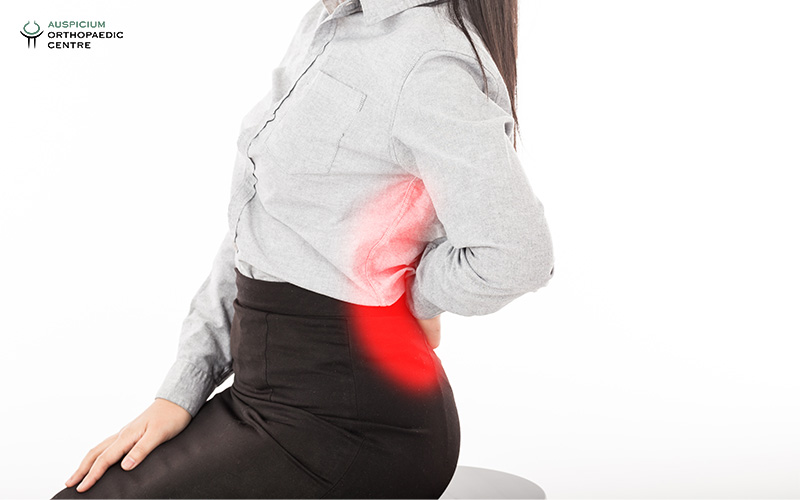
Bad posture can lead to back pain, which can develop from the way we sit, stand, and move during daily activities. Slouching at a desk, tilting the head towards a phone, or moving without core support may gradually place added strain on the spine. This article examines the influence of these everyday habits and outlines simple adjustments that may ease discomfort and build awareness of posture.
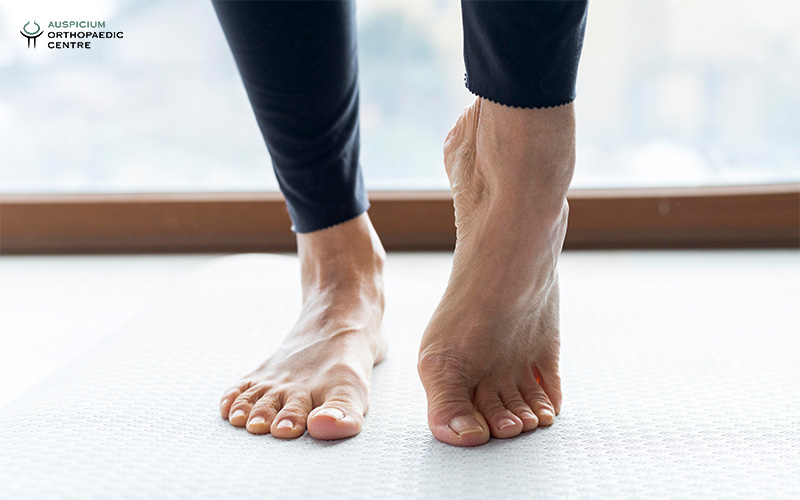
Pain in the soles of the foot can occur for many reasons. Plantar fasciitis is one possibility, but similar discomfort may also come from tendon irritation, nerve entrapment, or stress-related changes in the heel bone. Each condition has distinct signs that can appear at rest or during activity. This article highlights how to distinguish between causes and offers insight into when professional care may be appropriate.
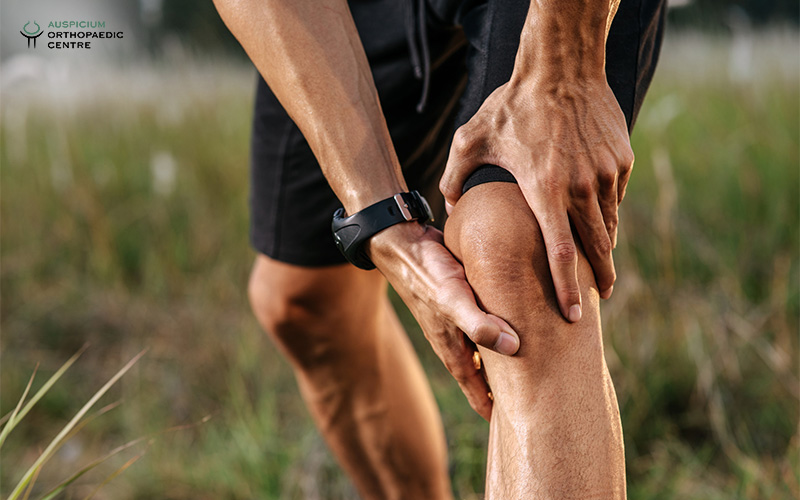
Knee pain during running or cycling? It could be runner’s knee or IT band syndrome—two conditions with overlapping symptoms but different causes. This guide outlines pain locations, common triggers, underlying mechanisms, and risk factors, plus practical steps for rest, stretching, and when to seek evaluation in Singapore. Use it to recognise patterns, adjust training, and plan next steps.