

Key Takeaways
- Pain location and type can help differentiate between conditions affecting the front and outer side of the knee.
- Specific activities often trigger one condition more than the other, offering clues for identification.
- The underlying causes involve different structures within the knee and surrounding tissues.
- Early assessment and tailored management strategies can help reduce the risk of recurring symptoms.
Introduction
Pain on the outside or front of your knee can be frustrating, especially if it appears during your runs, cycling sessions, or gym workouts. Two of the most common causes are runner’s knee and IT band syndrome. At first glance, they may seem similar, but they affect different structures in the knee and require different approaches to care.
By understanding the distinctions between these conditions, you can make more informed decisions about activity modification, exercises, and when to seek help from a knee specialist.
Where It Hurts: Key Differences in Pain Location
Runner’s knee, which is also known as patellofemoral pain syndrome, typically presents as discomfort at the front of the knee, often around or behind the kneecap. This pain may feel diffuse rather than sharply localised and is one of the common causes of knee pain from running.
In contrast, IT Band Syndrome is characterised by a sharper, sometimes burning sensation along the outer edge of the knee. This discomfort often becomes more noticeable during or after repetitive activities, such as running or cycling.
What Triggers the Pain: Activity and Movement Patterns
With Runner’s knee, symptoms tend to worsen during activities that load the knee joint in a bent position, such as walking downstairs, squatting, or sitting for extended periods.
For IT Band Syndrome, pain typically intensifies during repetitive knee bending, especially when running downhill or maintaining a fixed knee angle for long durations. The difference in activity-related triggers is an important clue in distinguishing between the two.
What’s Going On Inside the Knee
In Runner’s knee, the primary issue is irritation where the kneecap meets the thigh bone. This can be due to imbalances in muscle strength, alignment issues, or abnormal tracking of the patella during movement.
IT Band Syndrome, also referred to as iliotibial band friction syndrome, arises when the iliotibial band, a thick band of tissue running from the hip to the shin, repeatedly rubs against the outer thigh bone. This friction can lead to inflammation of the surrounding tissues, often linked to overuse or tightness, and cause local pain.
Risk Factors: Who’s More Likely to Get Each Condition
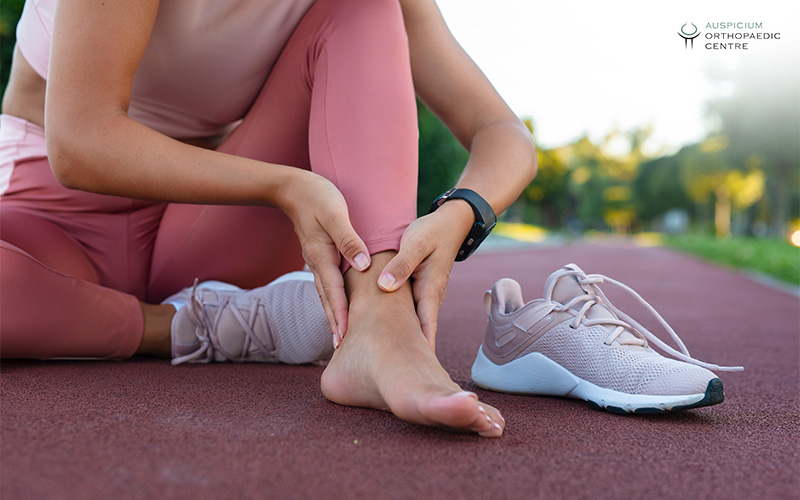
Certain physical characteristics and movement patterns can increase the likelihood of developing these conditions. For example, runner’s knee is more common in individuals with flat feet, weak quadriceps, or poor knee alignment. These factors can alter the way the kneecap moves, placing extra stress on the joint. Rapid changes in training intensity, frequency, or type of activity, such as a sudden increase in running mileage or the addition of high-impact exercises, can further contribute to the risk.
IT band syndrome, on the other hand, is frequently seen in long-distance runners, cyclists, and those with tight hips or weak gluteal muscles. The condition can be triggered by repetitive knee bending, particularly during hill running or cycling on varied terrain. A sudden increase in distance or intensity without adequate recovery may place additional strain on the iliotibial band. Limited flexibility in the hips, thighs, or surrounding muscles can heighten this strain, making irritation and discomfort more likely over time.
What to Do About It: When to Rest, Stretch, or Seek Help

Both conditions benefit from early activity modification, targeted stretches, and strengthening exercises, but the focus differs.
- For IT band syndrome, hip mobility work, lateral stretches, and foam rolling along the thigh may help relieve tension.
- Strengthening the quadriceps and core, along with improving knee alignment, is often recommended for those with runner’s knee.
If symptoms persist despite self-care, consulting an orthopaedic doctor in Singapore can help determine the underlying cause and provide a tailored management plan. Sports injury clinics can also offer targeted rehabilitation programmes.
Conclusion
While runner’s knee and IT band syndrome may appear similar at first, their differences in pain location, triggers, and underlying causes are important in guiding the right approach to care. Identifying these signs early and obtaining an appropriate evaluation may assist in managing symptoms and lowering the likelihood of recurrence.
At Auspicium Orthopaedic Centre in Singapore, we focus on managing musculoskeletal conditions, including sports-related injuries. Our team works with both athletes and individuals, aiming to restore mobility, providing assessment and treatment plans appropriate for each case. If you are experiencing persistent knee pain, book an appointment with us to explore suitable management options for your condition.