Key Takeaways:
- Sitting for long stretches can slowly reduce hip mobility and affect joint health.
- When glute muscles stay inactive and hip flexors tighten, the pelvis and spine take on extra strain.
- Slouching or leaning to one side can increase stiffness and create muscle imbalances.
- Simple habits like moving more often, stretching, and using supportive seating can ease the pressure on your hips.
Introduction
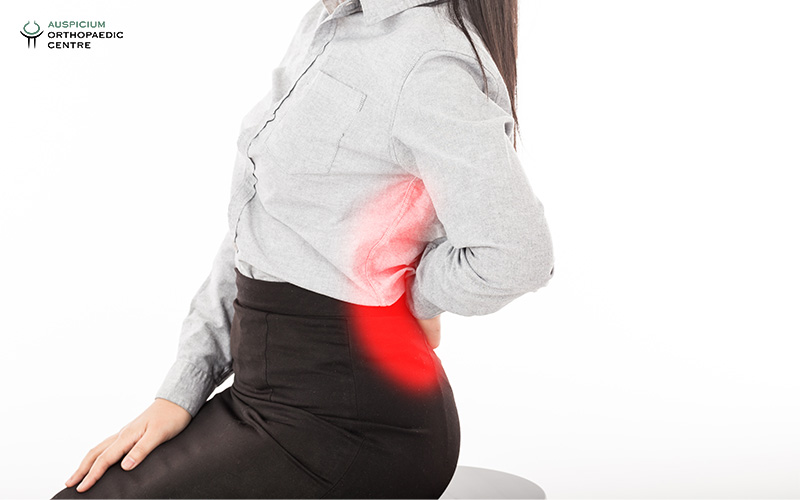
From office work to commuting and leisure time at home, long hours of sitting have become part of daily life. What starts as comfort can gradually place strain on your hips and lower back. Stiffness, reduced mobility, and ongoing discomfort may build up, often unnotice, until it interferes with your everyday activities.
In this guide, we explore how sitting contributes to hip and lower back pain, why these issues develop, and the steps you can take to ease the strain.
How Do Tight Hip Flexors Limit Mobility?
The hip flexors are a group of muscles at the front of the hips that help lift the knees and bend the waist. When you spend long stretches sitting, these muscles stay in a shortened position. Over time, this can lead to hip tightness from sitting, which reduces your ability to fully extend your hips when standing upright or walking.
Restricted hip extension can subtly change the way you move. Your stride may become shorter, and your pelvis may tilt forward to compensate. These changes place added stress on surrounding structures, including the lower back, which often takes on the extra load. In the long term, such adjustments in movement patterns may affect posture, increase muscle fatigue, and contribute to recurring stiffness or discomfort.
Why Does Sitting Cause Gluteal Muscle Inactivity?
The gluteal muscles are among the strongest in the body, working to stabilise the hips, support the pelvis, and generate power for everyday movements like standing, walking, or climbing stairs. When you spend long hours sitting, these muscles remain largely inactive. Over time, this inactivity can reduce their strength and responsiveness, a pattern sometimes referred to as “gluteal amnesia.”
When the glutes are not doing their share of the work, other muscle groups often step in to compensate. The lower back, hip flexors, and hamstrings may take on added strain, which can alter posture and movement efficiency. As a result, activities that rely on coordinated muscle support—from lifting objects to maintaining balance—may feel taxing, and discomfort around the hips and spine may become noticeable.
If these symptoms begin to interfere with daily activities, consulting an orthopaedic doctor can help with identifying how muscle inactivity is contributing to hip and lower back pain.
How Does Joint Compression and Circulation Change with Sitting?
Remaining seated for long periods places continuous pressure on the hip joints, particularly when the surface is firm or lacks support. This compression can gradually reduce blood flow around the area, leading to stiffness and discomfort. Over time, restricted circulation may also place additional strain on surrounding muscles and tissues.
For individuals with existing conditions such as arthritis or hip bursitis, prolonged sitting can exacerbate symptoms. These changes often become clearer after hours of inactivity, when standing up or moving again feels more difficult. Regular breaks to stand, stretch, or walk can help ease the load on the joints and support better circulation.
If ongoing stiffness or discomfort raises concern, a consultation with a bone specialist can help determine whether underlying joint issues are contributing to the problem.
Can Poor Sitting Posture Overload the Hips?
The way you sit influences how weight is distributed across your body. When posture is slouched or tilted to one side, pressure is unevenly placed on the hips. Over time, this imbalance can lead to pelvic alignment issues, which affect how surrounding muscles and joints work together.
Asymmetry in posture may cause certain muscles to overcompensate while others weaken, creating a cycle of strain that extends beyond the hips. These changes can gradually place additional stress on the spine, making hip and lower back pain more likely to develop or persist. Many people notice this link most clearly when poor sitting posture and hip pain occur together, as long hours in one position compound the strain.
What Can You Do to Relieve and Prevent Hip Pain?
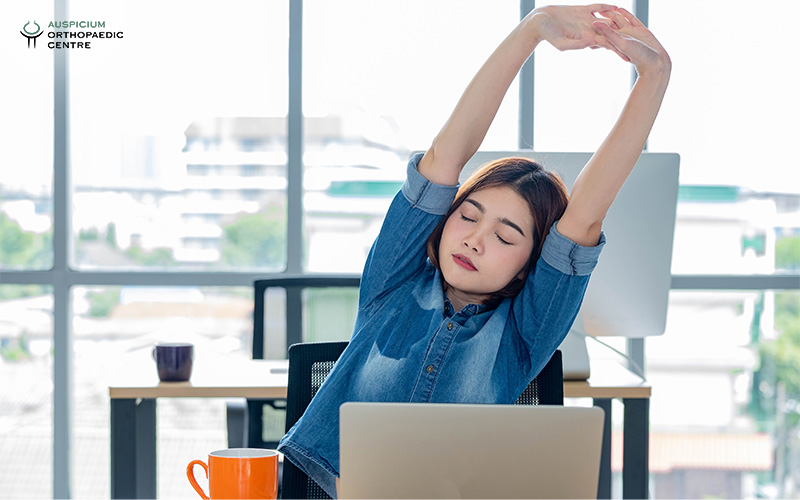
Making minor adjustments to daily routines can reduce the strain that sitting places on the hips. Standing up at regular intervals, taking short walks between tasks, or stretching during breaks can all improve circulation and prevent joint stiffness.
Targeted exercises to strengthen the gluteal and core muscles provide additional support to the pelvis, helping to share the workload more evenly across the body. Over time, this can reduce the likelihood of muscular imbalances that contribute to discomfort.
Ergonomic changes may also be helpful. A supportive chair, adjusted desk height, or alternating between sitting and standing positions can help limit unnecessary pressure on the hips and spine. By combining movement, muscle conditioning, and posture awareness, these habits can lessen the risk of recurring hip and lower back pain.
Conclusion: Take Steps If Sitting Is Affecting Your Hips
Long hours spent seated are a familiar part of modern life, but they can gradually take a toll on the body. Shortened hip flexors, glute muscle inactivity, reduced circulation, and poor posture all contribute to strain that builds over time. Becoming aware of these changes makes it easier to adjust habits, reduce pressure on the joints, and support long-term mobility.
If hip and lower back pain are starting to affect your daily activities, arrange for a consultation at Auspicium Medical. A professional review can help identify the factors involved and discuss practical approaches to managing your symptoms.