
Here at Auspicium Orthopaedic Centre, we focus on the assessment and management of knee conditions affecting mobility, stability, and daily function. Through our knee specialist in Singapore, we provide consultations, diagnostic evaluation, and treatment planning for a wide range of knee pain and injuries, guided by clinical findings and individual patient needs.
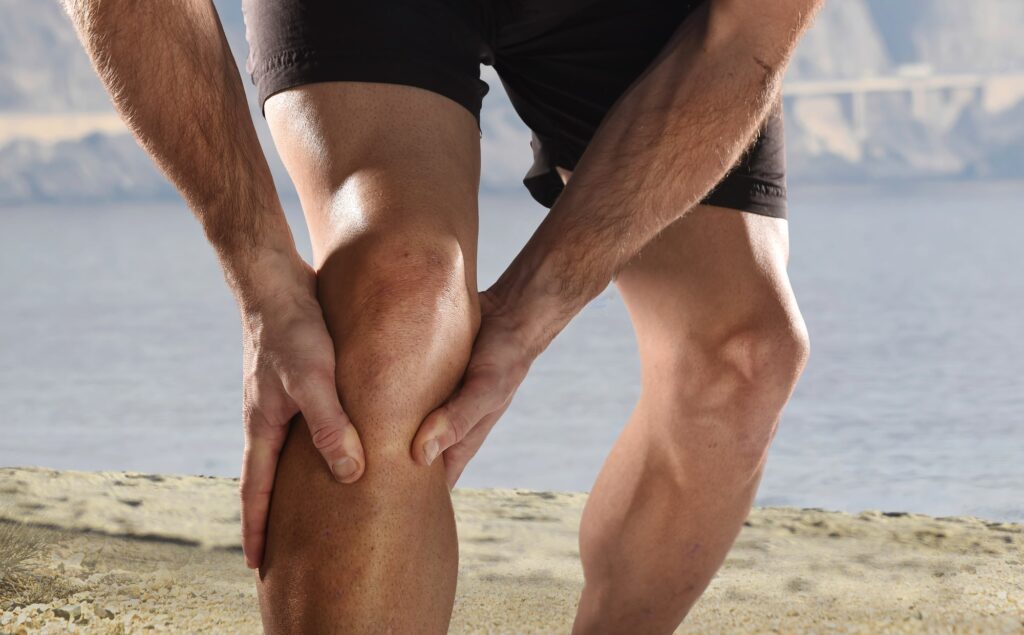
A knee specialist focuses on the assessment and management of conditions affecting the knee joint. This includes evaluating structures such as ligaments, meniscus, and cartilage, which play a role in stability, movement, and joint function. Based on clinical findings, an orthopaedic knee specialist may recommend non-surgical management or discuss surgical options where appropriate, depending on the nature and severity of the condition.
Seeing a Singapore knee specialist early can help identify whether the problem needs rest and physiotherapy, an injection or surgical care.
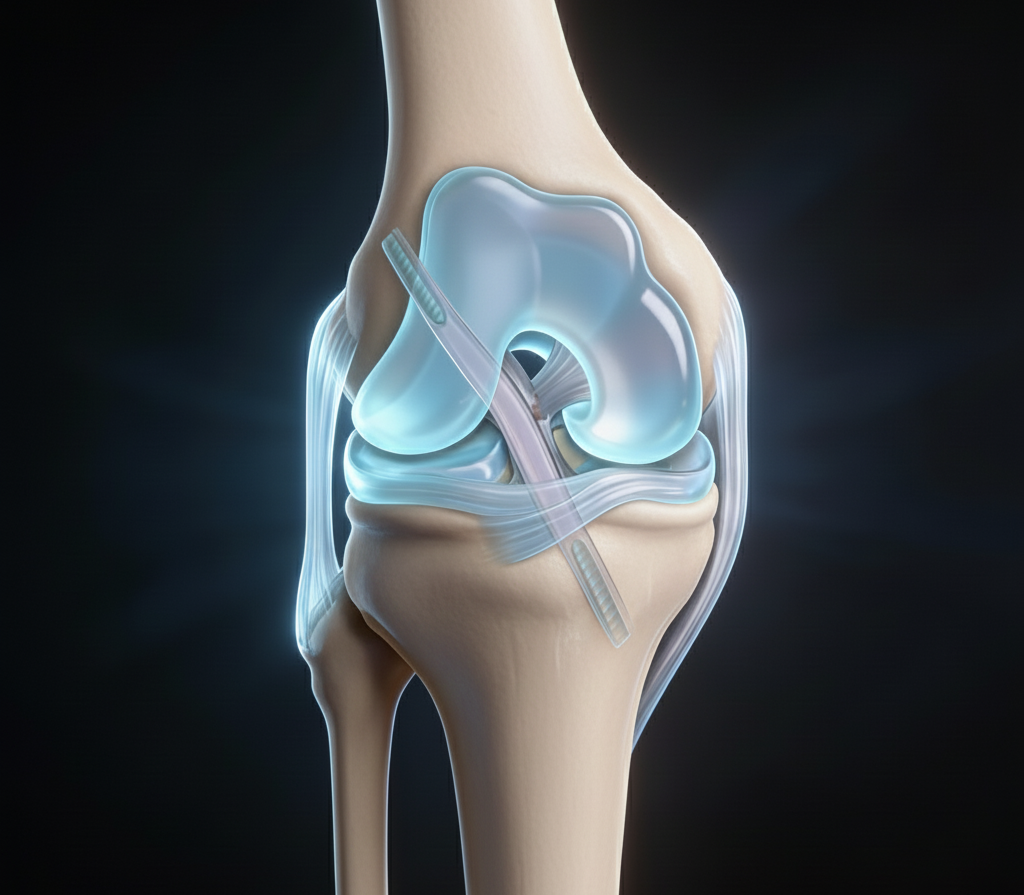
This procedure may be considered for individuals with knee instability caused by ligament injury, particularly after sports-related trauma or sudden twisting movements that affect joint support.
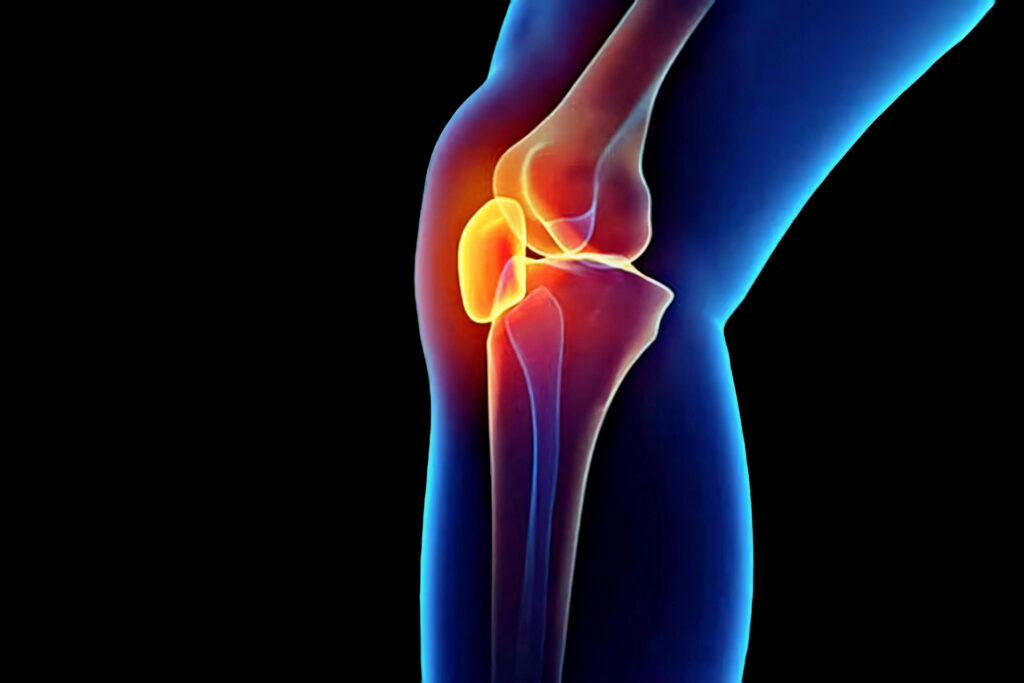
A condition involving gradual wear of the knee joint cartilage, often leading to pain, stiffness, and reduced movement that can affect walking, standing, and daily activities.
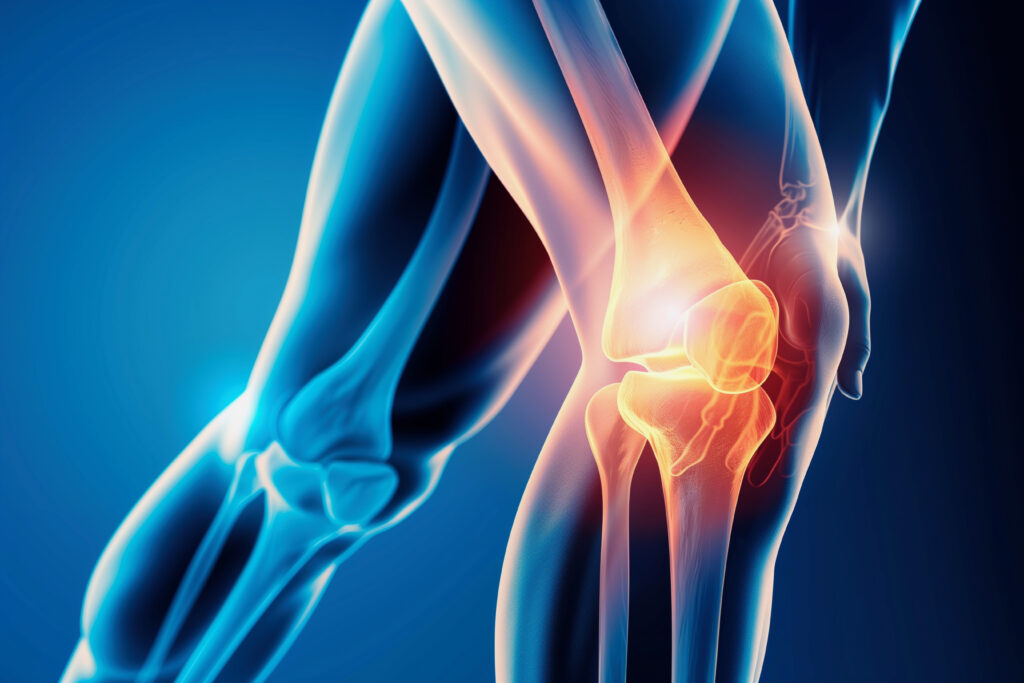
This condition involves irritation or softening of the cartilage beneath the kneecap and is commonly associated with pain at the front of the knee, especially during movement or prolonged sitting.
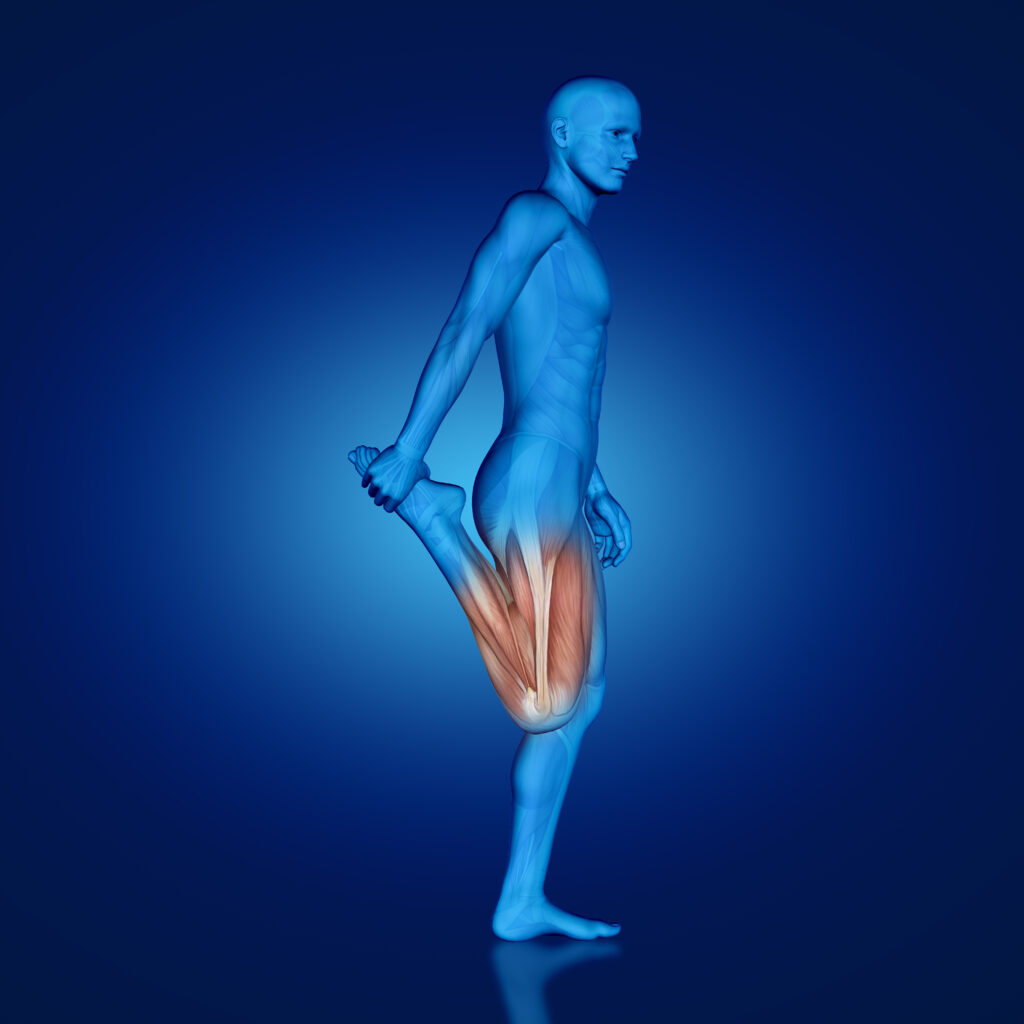
An overuse-related condition where friction along the outer knee causes discomfort, frequently experienced by runners or individuals engaged in repetitive knee bending activities.
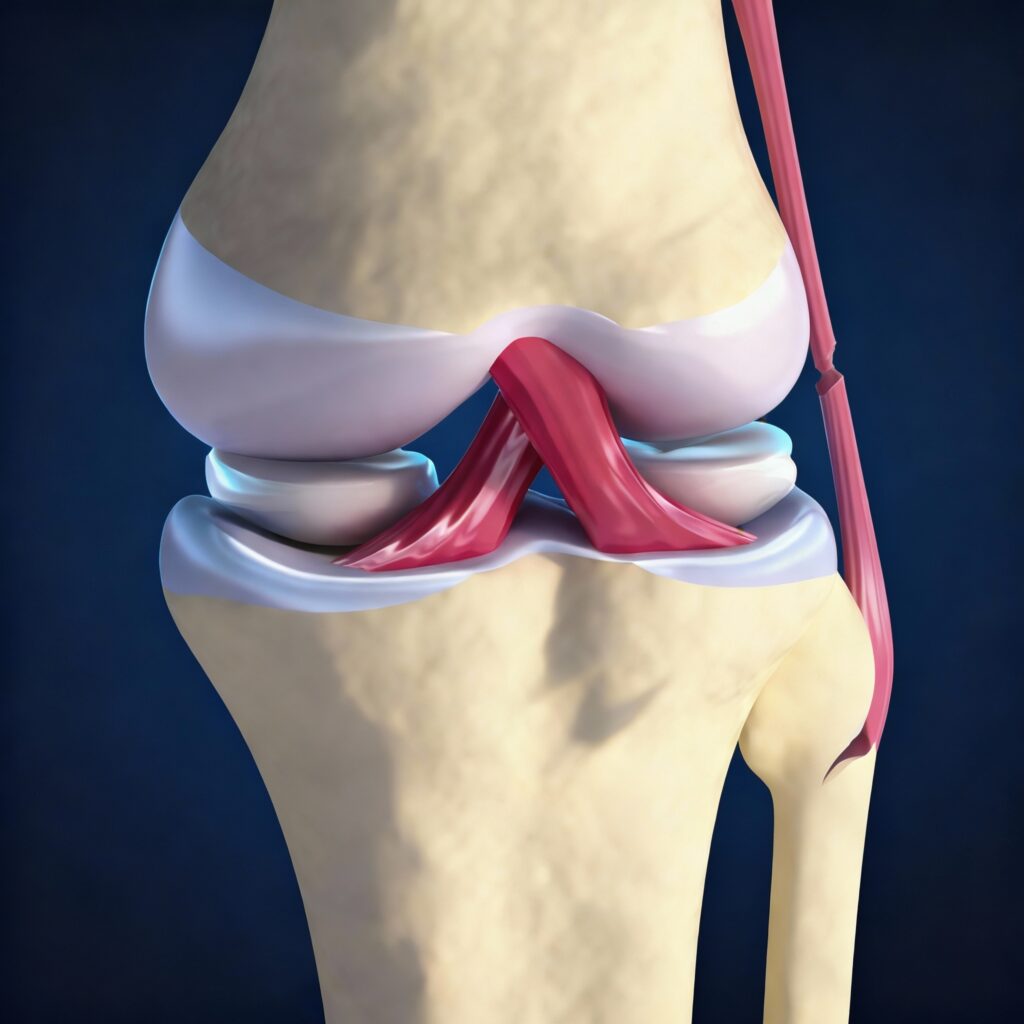
Injuries to the medial or lateral collateral ligaments often result from direct impact or sudden force to the knee, potentially leading to pain, swelling, and instability.
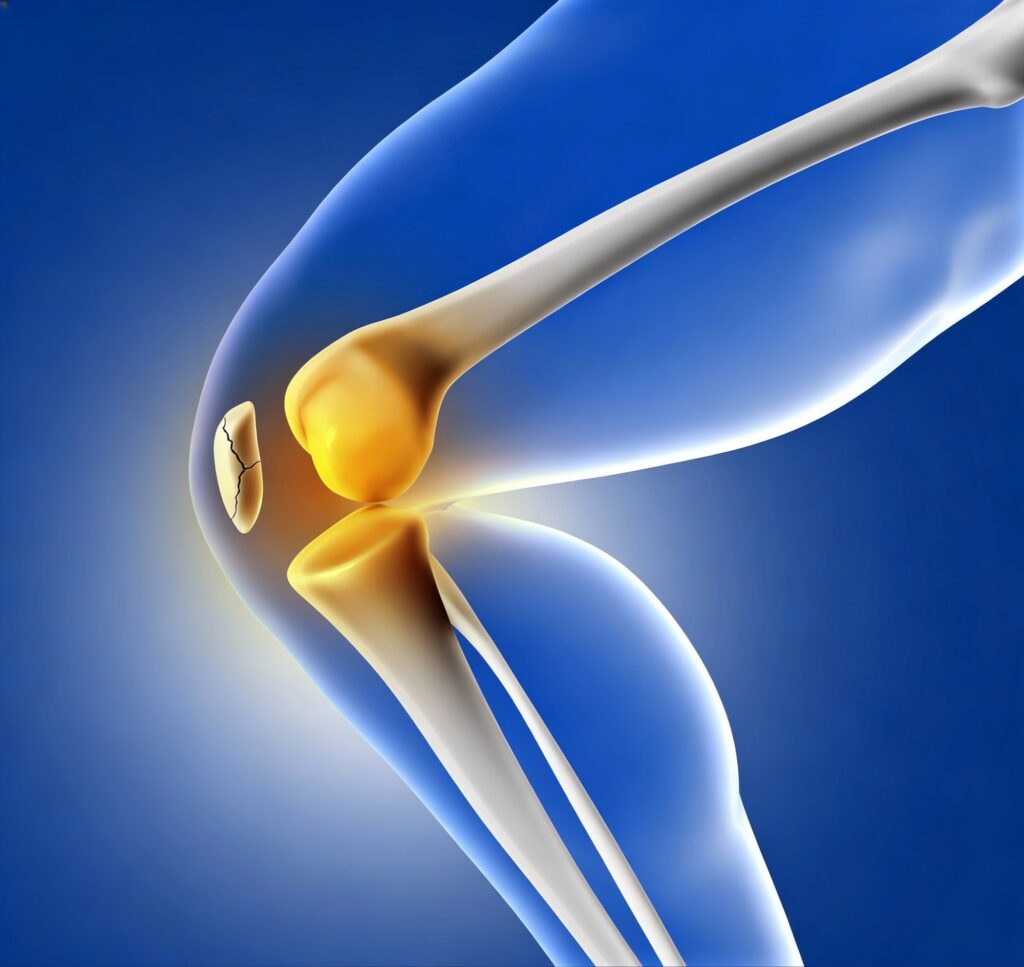
A break in the kneecap caused by trauma or falls, which may affect the knee’s ability to straighten or bear weight depending on severity.
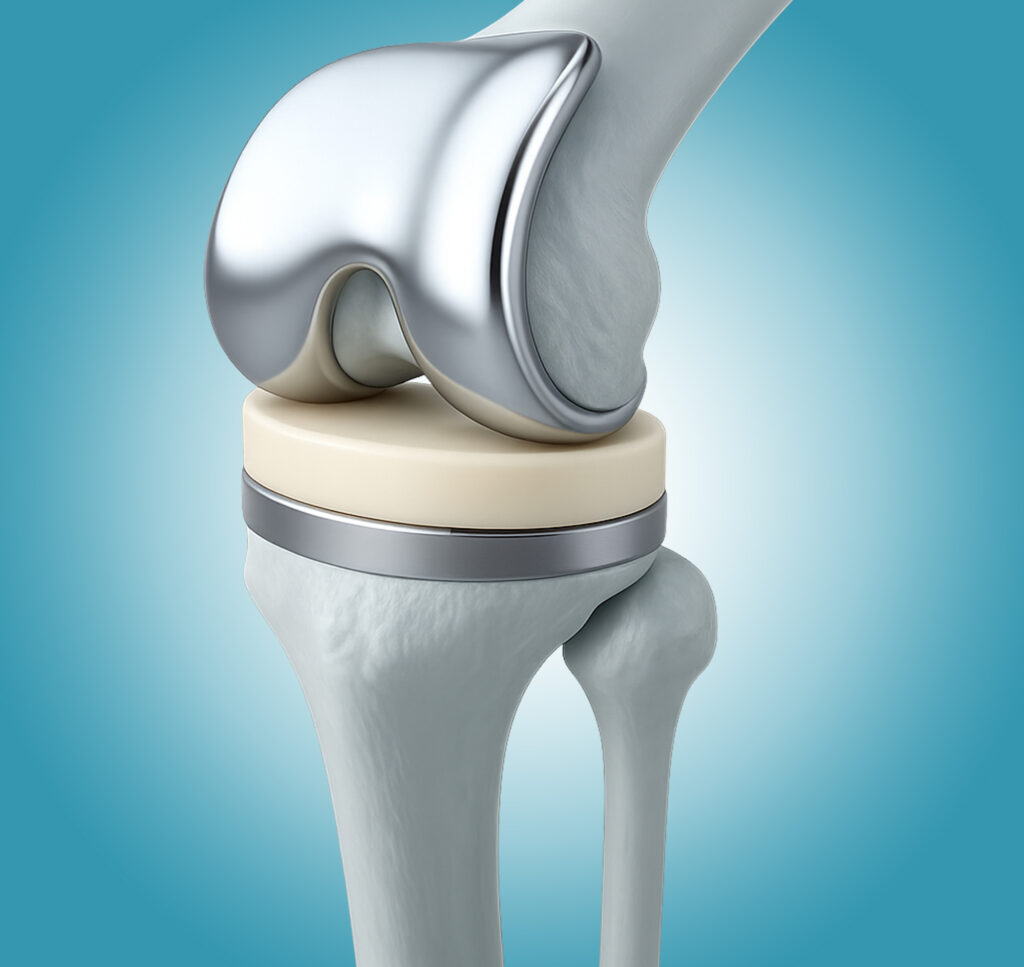
A surgical option that may be considered for individuals with significant knee joint damage when non-surgical management no longer provides sufficient symptom relief.
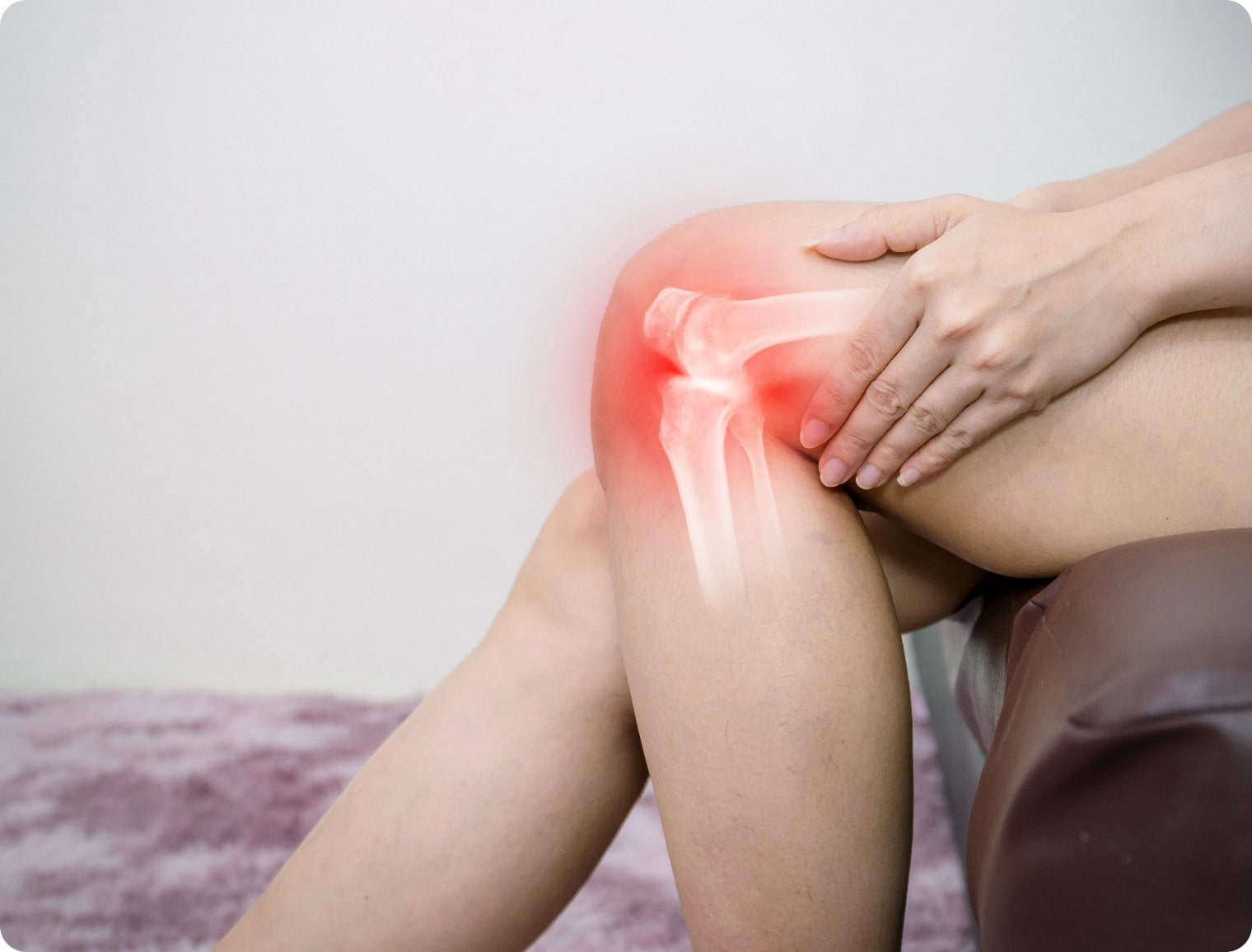
Cartilage damage can result from trauma, overuse, or degenerative conditions like osteoarthritis. It often leads to knee pain, stiffness, and locking sensations, affecting movement and overall joint health.
If you experience any of the following symptoms, it’s essential to consult a knee specialist to prevent further damage and improve recovery:
Seeking early treatment can prevent long-term complications and help you return to an active lifestyle faster. If you’re experiencing knee discomfort, consult a specialist today.
If your knee feels warm or appears red, it could be a sign of inflammation or an underlying issue such as infection or joint irritation. This may occur after an injury or in response to joint overuse.
Some patients may hear or feel grinding, clicking, or popping in the knee during movement. While not always serious, persistent sounds may indicate cartilage wear, loose fragments, or other internal changes in the joint.
Difficulty fully extending the leg may suggest joint swelling, stiffness, or internal blockages such as a torn meniscus. This may gradually worsen if left untreated.
Locking refers to the knee getting stuck or catching during motion. This can disrupt movement and may point to cartilage damage or loose tissue within the joint.
We are committed to helping you recover function and maintain long-term knee health. Whether you’re an athlete recovering from an injury or an individual experiencing knee pain due to wear and tear, our team supports you throughout your recovery journey.
No two knee conditions are alike. Our specialist will evaluate your symptoms and create a care plan that suits your needs. Treatment options may include physiotherapy, rehabilitation, medication, or surgery depending on your condition.
Depending on your diagnosis, we offer a range of surgical and non-surgical treatments to address knee pain and injuries. From physiotherapy, bracing, and injections to arthroscopic surgery, ligament reconstruction, and ACL reconstruction surgery, we focus on providing personalised solutions based on your condition and lifestyle.
Beyond treatment, we support recovery with rehabilitation and movement planning to reduce the chance of future injuries. Our team also provides advice on safe movement techniques and activity modification to support long-term joint health.
Recovery and rehabilitation are important parts of managing knee conditions, helping to restore movement, strength, and function over time. The approach varies depending on the type of treatment and individual recovery progress. Your orthopaedic knee specialist will explain the recovery plan that suits your condition and goals.
Recovery timelines differ based on the condition treated and whether management is surgical or non-surgical. Some individuals may resume light activities within a few weeks, while others may require a longer period of rehabilitation to regain full function.
Rehabilitation focuses on improving joint mobility, rebuilding muscle strength, and supporting overall knee stability. A structured programme may also help reduce discomfort and support a gradual return to daily activities.
Returning to physical activity is typically guided by functional progress rather than a fixed timeline. Patients are usually advised to resume activities gradually, with adjustments based on comfort, strength, and knee stability.
At Auspicium Orthopaedics, our mission is simple: Recover and Resume.

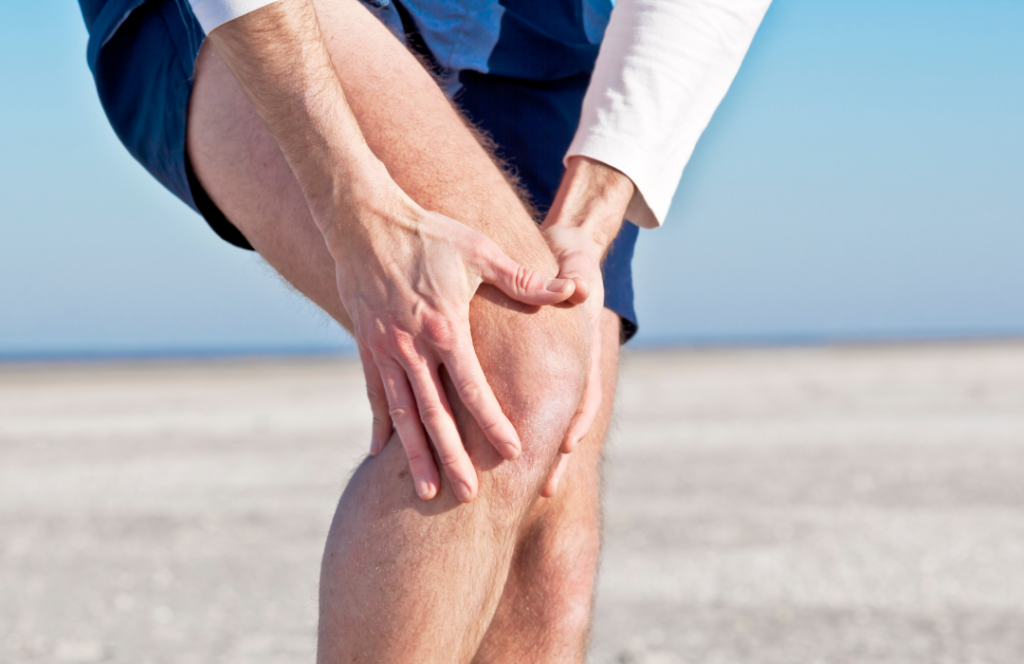
At Auspicium Orthopaedic Centre, our orthopaedic knee specialist focuses on the assessment and treatment of knee pain and injuries. Whether you are dealing with a sports injury, a ligament or meniscus tear, or long-standing joint pain, you will be seen by a Singapore knee specialist who takes time to explain your diagnosis and your options.
Our care is led by Dr Edwin Tan, a Consultant Orthopaedic Surgeon with more than 20 years of experience. His areas of interest include sport surgery, knee surgery, and shoulder and elbow surgery, and his qualifications include MBBS (Singapore), MRCS (Edin), MMed (Singapore) (Ortho) and FRCS (Edin) (TR & Ortho).
Not every knee problem needs an operation. Our knee specialist will discuss non-surgical options such as physiotherapy, medication and injections where they are suitable, and will talk you through surgery only when it is appropriate for your condition and goals.
We see both recreational and competitive athletes, as well as people who simply want to stay active in daily life. Treatment plans take your lifestyle and activity goals into account, and recovery guidance is based on how your knee is progressing.
From your first consultation to follow-up visits, our team aims to keep each step clear. You will understand your scan results, the likely recovery and the expected costs before you decide on treatment, and our team can help you check Medisave, MediShield Life and insurance claim eligibility.

Dr. Edwin Tan is a Consultant Orthopaedic Surgeon. He graduated with a Bachelor of Medicine and Bachelor of Surgery from NUS in 2004 and was awarded the postgraduate Membership of the Royal College of Surgeons of Edinburgh in 2008, the Masters of Medicine in Orthopaedic Surgery in 2013, and the Fellowship of the Royal College of Surgeons of Edinburgh in Orthopaedic Surgery in 2014. While practicing in Singapore General Hospital, he was awarded the HMDP award for a one-year fellowship program in Imperial College, London – with Professor Roger Emery, then President of the prestigious European Shoulder & Elbow Society.
His area of specialty is in Sports and Reconstructive Surgery, and aid in the treatment of injuries sustained by both recreational and professional athletes.
With a strong interest in Sports and Reconstructive surgery, he has travelled extensively to various countries around Asia-Pacific to perform surgeries. From knee ligament reconstructions of national athletes in Papua New Guinea to joint replacement surgeries in China, he has aided patients in returning to their level of competitive sports and quality of life.
You should consult a knee specialist if you have:
Early treatment can prevent further damage and improve recovery.
Your consultation will include:
It depends on the severity and cause of your knee pain. Mild discomfort may improve with rest and modifications, but continuing sports with persistent pain can worsen injuries. A knee specialist can advise on safe activity levels and rehabilitation options, such as physiotherapy.
Seek medical help if you experience:
Yes. Knee discomfort may also result from inflammation, poor alignment, overuse, or underlying medical conditions such as gout or knee arthritis. A thorough assessment helps identify the root cause
A sprain refers to stretched or slightly damaged ligaments, while a tear involves a partial or complete rupture. Imaging tests can help confirm the type and extent of injury.
Yes. Many people with knee pain benefit from physiotherapy alone. It can help build strength, reduce strain, and improve movement patterns without the need for surgery.
The cost depends on your diagnosis, the scans you need, the treatment recommended and whether you are treated in a public or private setting. A consultation, physiotherapy or an injection generally costs less than surgery such as total knee replacement. During your visit, our team can explain the likely costs and how Medisave or insurance may apply.
We accept a variety of payment options, including cash, credit/debit cards (Amex unavailable in selected clinics), and corporate insurance claims. If you’re using insurance, our team can assist you with claim processes and eligibility checks.
If you’re experiencing knee pain or an injury, schedule a consultation with our knee specialist for expert advice and personalized treatment.
Spine - Neck
Shoulder & Elbow
Spine — Back
Wrist & Hand
Knee Pain
Ankle Pain
Foot Pain
Book a consultation with us for a more comprehensive diagnosis and a personalised treatment plan best suited to your needs.
Spine - Neck
Shoulder & Elbow
Spine — Back
Wrist & Hand
Knee
Ankle
Foot